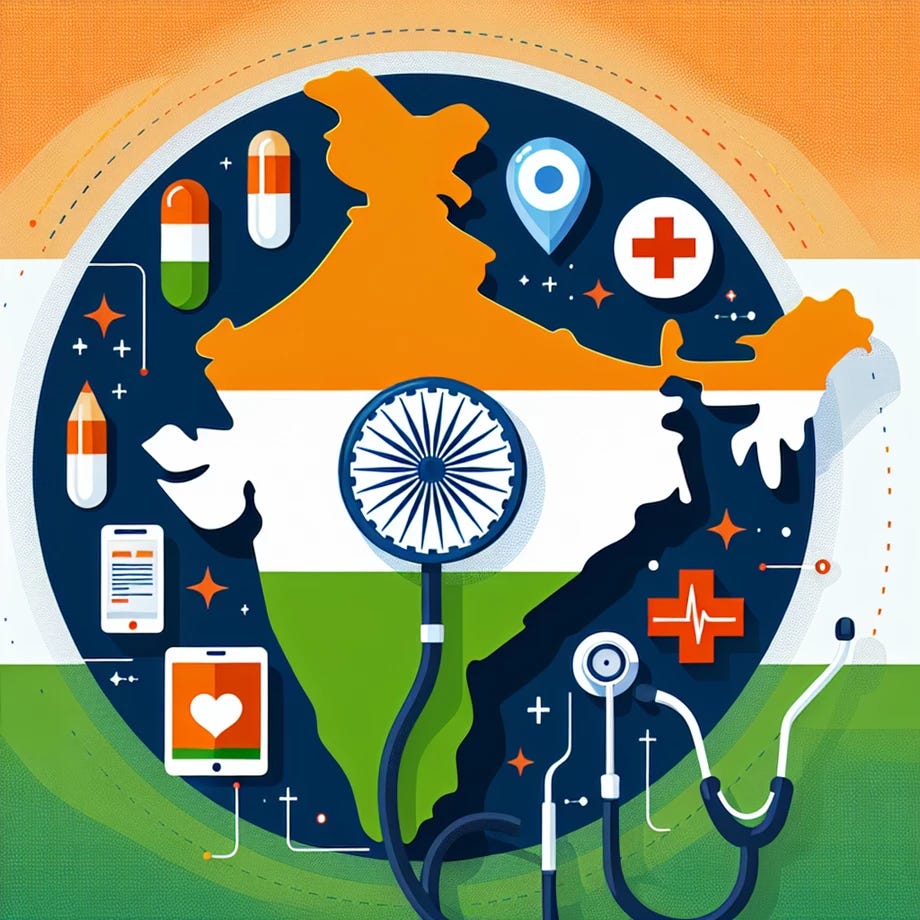
India rewrites medical care for the millions as it opens up FDI to 100% in health care inviting huge capital for hospital expansions but, raises costs for the low income groups - They still depend on PHC and CGHS. PM Modi launches a Rs 5 lakh insurance scheme Ayushman Bharat for the people's benefit

Govt. initiatives in health care like opening up FDI to 100%, floating insurance for the common people, allowing pvt equity and corporatisation of hospitals - India rewrites medical care

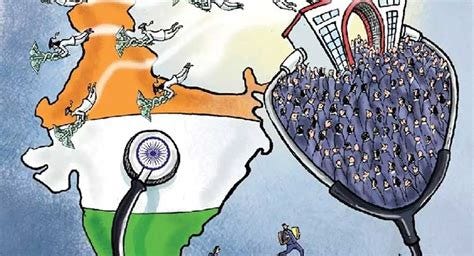
India's dalliance with FDI in health care, pvt equity ,corporatisation, insurance for the common, has upgraded hospital care to world class but, limiting middle class access raising affordability cost
Modi’s Healthcare Shake-Up: Corporatisation Meets Public Expectations

By TN Ashok
August 4, 2025
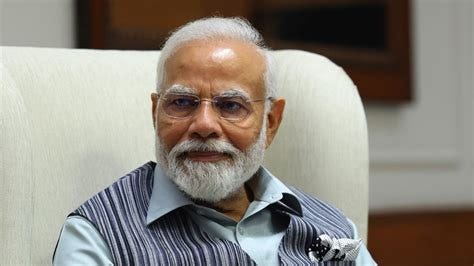
Indian PM Narendra Modi launches a Rs 5 lakh ($5882) insurance scheme under the banner Ayushman Bharat as an outreach to low income groups and middle classes under the government sponsored health care dispensing scheme CGHS.
Under Prime Minister Narendra Modi, India has witnessed a major shift in healthcare policy and structure. Low public health spending—still around ~1 % of GDP—has been paired with aggressive liberalization, including 100 % foreign direct investment (FDI) in healthcare, tax incentives, and streamlined registration processes.
The result: a booming corporate hospital ecosystem built on debt-fueled acquisitions and private equity (PE) capital infusions.
This mirrors the chennai based Apollo Hospitals’ earlier model—pioneering corporatized healthcare in the 2000s by going public, using real estate monetization, and reinvesting earnings in high-margin specialty centers—becoming a template for newer players like Max and Manipal.
Corporate Chains and PE: Manipal, Max, and Sahyadri
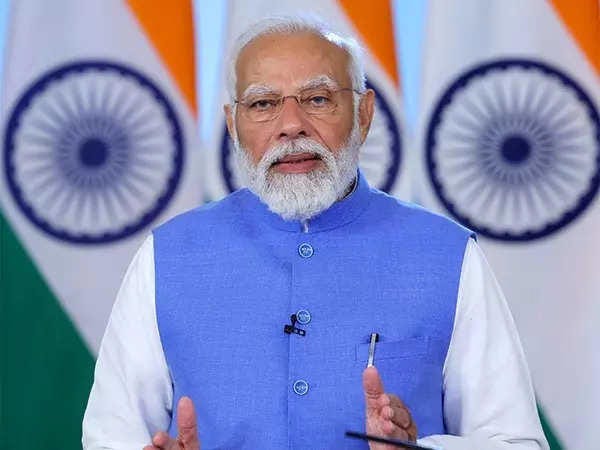
PM Modi launches projects worth $1.5 billion (Rs 12,850 cr, extends Ayushman Bharat for people over 70.
Manipal Hospitals

Majority-owned by global investors—Temasek (59 %), TPG (10 %), Mubadala/CalPERS (8 %)—Manipal has expanded from ~7,000 beds pre‑2020 to 12,000 beds across 33+ hospitals by mid‑2025, by acquiring AMRI Hospitals and Sahyadri Hospitals (11 sites, ~1,300 beds) for ~₹5,800–6,400 crores from Ontario Teachers’ Pension Plan, which earned ~2.5× return in just three years.
Max Healthcare
Under promoter-chair Abhay Soi and backed earlier by KKR, Max runs ~19 hospitals (~4,000 beds), turned a net debt-free model by FY25, and boasts Return on Capital Employed (ROCE) at ~35 %—well above sector norms (~9–15 %).
Sahyadri and Others
Ontario Teachers’ had bought Sahyadri from Everstone in 2022 for ₹2,500 cr; Manipal acquired it three years later at ₹5,800–6,400 cr, illustrating robust exit returns for PE investors
Financing Growth via Public Debt—and Its Pressure
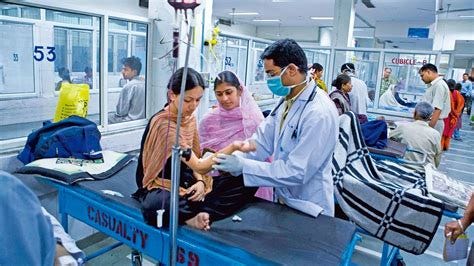
These expansions rely heavily on debt financing. Manipal’s Sahyadri buy used $466 million (₹4,000 cr) in debt, pushing its net debt to ₹9,000 crore (debt/EBITDA ~0.7×) . Such leverage imposes pressure on hospital management to deliver high margins:
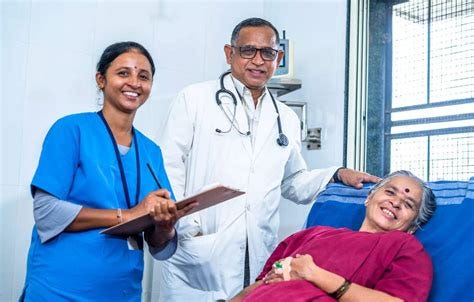
Operational cost control: reducing staff, cutting supplies
Revenue maximization: pushing high-margin diagnostics and surgeries
These pressures can distort clinical decision-making.
Unnecessary Procedures & Rising Diagnostic Costs
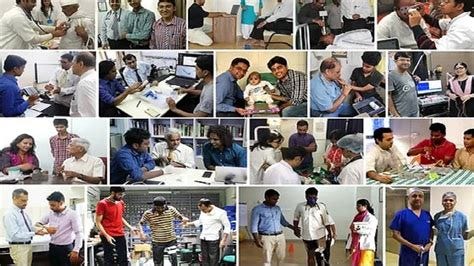
Multiple sources—including patient testimonials and reviews—point to a pattern of unnecessary tests, inflated diagnostics charges, and profits over care:
A Reddit user described Dengue treatment at Apollo: ICU admission for saline drips, inflated consumable charges (gloves ₹1,600 etc.), ₹10k consultation, ₹15k tests, billed data storage fee ₹1,500—all despite no medical necessity.
Another write-up reported Manipal Bangalore billing ₹34k for back tests over months for simple pain—patient fled before continuing.
Others highlighted routine price mark-ups: complete blood picture charged at ₹2,872 when it costs ₹299 elsewhere.
E.g. appointment fee rising from ₹900 to ₹1,200 post takeover; mandatory blood tests even when unnecessary; consumables billed fully at MRP. Healthcare professionals also cite corporate pressure to push revenue-linked treatments and diagnostics.
Diagnostic Costs and Profit Motives
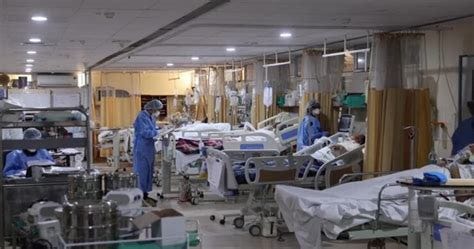
As corportotisation deepens:
Diagnostic tests and consumables are standardized as billable items.
Pre-consultation diagnostic "kits" are forced even for follow-ups.
Insurance reimbursement issues arise—most insurers use legacy pricing; corporate hospitals bill far above those rates, causing delayed approvals and higher out-of-pocket expenses for patients.
Consequences: Patient Experience and Ethics
Trusted long-term doctors often leave post-acquisition as new revenue-oriented contracts replace them; continuity of care suffers.
Crowded outpatient clinics, short consultations, aggressive upselling, and billing disputes are common complaints across urban branches of Apollo, Manipal, Max—even Medanta.
Consumer court fines—for instance, Apollo overcharging poor patients, non-compliance with land lease conditions requiring free care to 10% inpatients—demonstrate ethical erosion.
Return on Investments vs Patient Burden
High Financial Returns

OTPP’s Sahyadri exit delivered ~2.5× return in under three years to investors
Max Healthcare’s KKR exit (~₹9,400 crores) and maintained high EV/EBITDA multiples (~53×) highlight investor appetite.
AHH-backed single-speciality chains like Motherhood Hospitals deliver ROCE upwards of 25–32 % .
Misaligned Incentives
Investors expect 20–30 %+ returns, which may pressure hospital managements to up surgical volume, push diagnostics, or reduce clinical autonomy—risking unnecessary interventions. Usually private equity players place cash on hand quite easily for upgrading hospitals health care systems and making inpatient admissions volumes enhance considerably but, they are short term players, so exit in three to four years time taking their return on investments.
And this generates enormous pressures on private hospitals to raise capital to liquidate the debt of equities in a short trime within tight deadlines and timelines that encourage unnenecessary medical procedures to raise cash on hand quickly much to the chagrin of patients.
Cost Comparisons with Public CGHS/Govt Systems
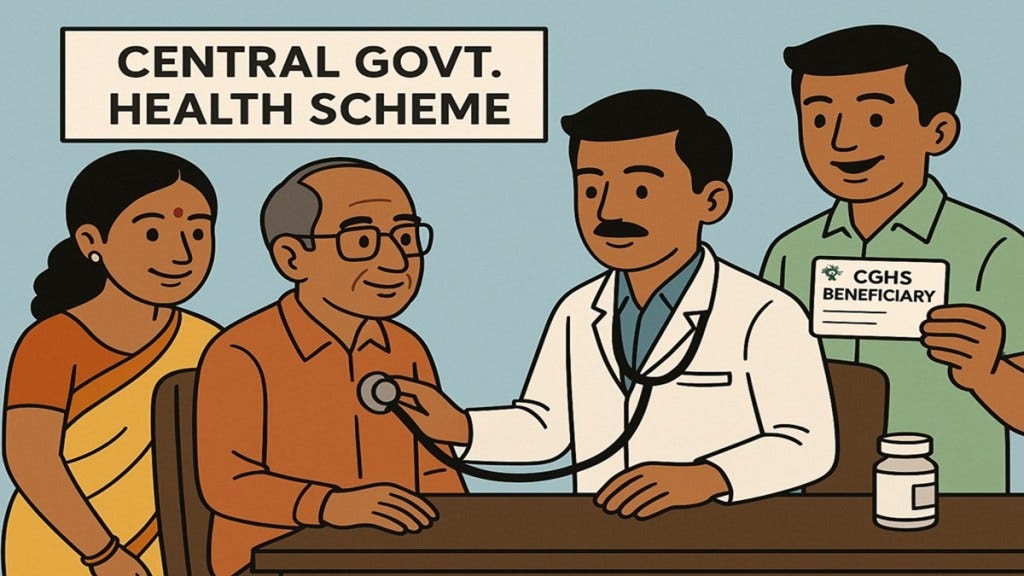
Public systems like CGHS (Central Government Health Scheme) reimburse rates set in government schedules. Reimbursement to private hospitals under CGHS has increased dramatically—from 24% in 2019–20 to 60% by 2023–24, straining public budgets and incentivizing corporate billing even on fixed rates, with hospitals seeking balance bills or item-by-item recharges.
CGHS hospitals—though overcrowded and under-resourced—offer regulated pricing and standardized care; in contrast, private corporate hospitals driven by debt and ROI motives charge much higher consultation fees, diagnostic costs, surgery packages, often 5× or more than public rates.
For example, ICU stays in private hospitals can cost ₹15,000–30,000/day, while public rates may cap at ₹1,500–2,000/day. A bypass surgery in private corporate settings may cost ₹2–3 lakhs vs ₹50k–1 lakh in state-run institutions.
Ethical Tension and Regulatory Gaps
India’s healthcare lacks rigorous billing regulation—even as PE firms extract profits: patient data monetization, priority revenue streams from high-margin specialties, and differential pricing go largely unchecked.
The Digital Personal Data Protection Act (DPDP) 2023 exists but enforcement is nascent; patient-level data is collected systematically by corporates for commercial and insurance use.
Opposition parties, smaller doctor-run hospitals, and civil society have criticized corporatisation. Hospital groups complain of being squeezed by corporate platforms, while the government has yet to introduce strict price capping or ethical billing laws.
As such while government opens up health care systems to private equity and foreign players, there is no regulatory mechanism to cap pricing of surgical or post surgical care in hospitals as guided by state run health care and is left to free market mechanisms. Thats inflates cost to as much as five times that of CGHS.
Case in Point: Apollo vs Manipal vs Public Institutions
Apollo Hospitals
Pioneer of Indian hospital corporatisation; still dominant in heart care.
Criticized by Supreme Court and Delhi govt for failing to offer free treatment to the poor per land-lease requirements; fined ₹30 lakh for negligence in spinal surgery case.
Patients often cite inflated consumable bills and unnecessary admissions at branches like Bangalore and Kolkata.
Manipal and Max
Aggressive expansion via acquisitions fuelled by debt.
High ARPOB (average revenue per occupied bed): Manipal ₹55,279 (~$650), Apollo ₹57,488 (~$718) per day; Aster ₹40,100 (~$475), significantly higher than public rates.
Patients report being upsold diagnostics and procedures with high bills and minimal doctor time.
Public/CGHS Hospitals
Provide regulated billing, free or subsidized care.
However, long waits, limited high-end facilities, and accessibility challenges continue.
Unlike corporate hospitals, they do not pressure doctors to meet revenue goals, nor push high-margin interventions.
Summary: The Double-Edged Health Machine
India’s healthcare transformation under Modi has produced a polished, technology-driven, and rapidly consolidated corporate ecosystem. But this growth comes with trade-offs:
For investors: Highest returns ever—PE firms earning multiple‑times ROI, and hospital promoters listing at premium valuations.
For hospitals: Debt-fueled pressure leads to revenue-first cultures that risk unnecessary surgeries, inflated diagnostics, and ethical compromises.
For patients: Rising costs, insurance disputes, loss of continuity, and trust deficits.
For public systems: Government schemes like CGHS absorb growing expenses via private reimbursements, reducing investment in public infrastructure.
Corporatisation has modernized infrastructure and care in Tier I and II cities—but at a steep price. The risk is a healthcare system that values revenue units over patient well-being.
What This Means Going Forward
Regulatory reforms are needed: capping diagnostic test pricing, enforcing clinical governance, and preventing unnecessary procedures.
Insurance oversight must be strengthened: audit high-volume surgical packages, tie reimbursements to outcomes.
Strengthen public healthcare: expanding government hospital capacity and improving quality can serve as a counterbalance to corporate overreach.
Ethical frameworks: enforce provisions under trusts and land-lease conditions (e.g. poor care quotas) more strictly.
Transparency in ownership and financials: require listing or disclosures that connect debt levels with pricing strategies.
In Conclusion
India’s healthcare system is becoming increasingly corporatized, driven by debt and private equity, with chains like Apollo, Manipal, and Max leading the transformation. While investments have delivered technological upgrades and scale, they have also introduced revenue pressures that affect treatment decisions and inflate costs—often at the expense of patients and public schemes.
As India strides towards a trillion-dollar healthcare market, the challenge remains: balancing profit and affordability, innovation and ethics, access and accountability.
The following illustrates how corporatisation and public/private debt correlate with hospital economics in India:
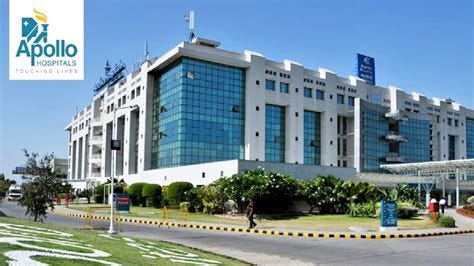
Apollo, with the highest debt, also reports the highest ARPOB (₹46,000) and patient cost (₹75,000), suggesting a strong commercial focus likely driven by debt obligations and ROI expectations.
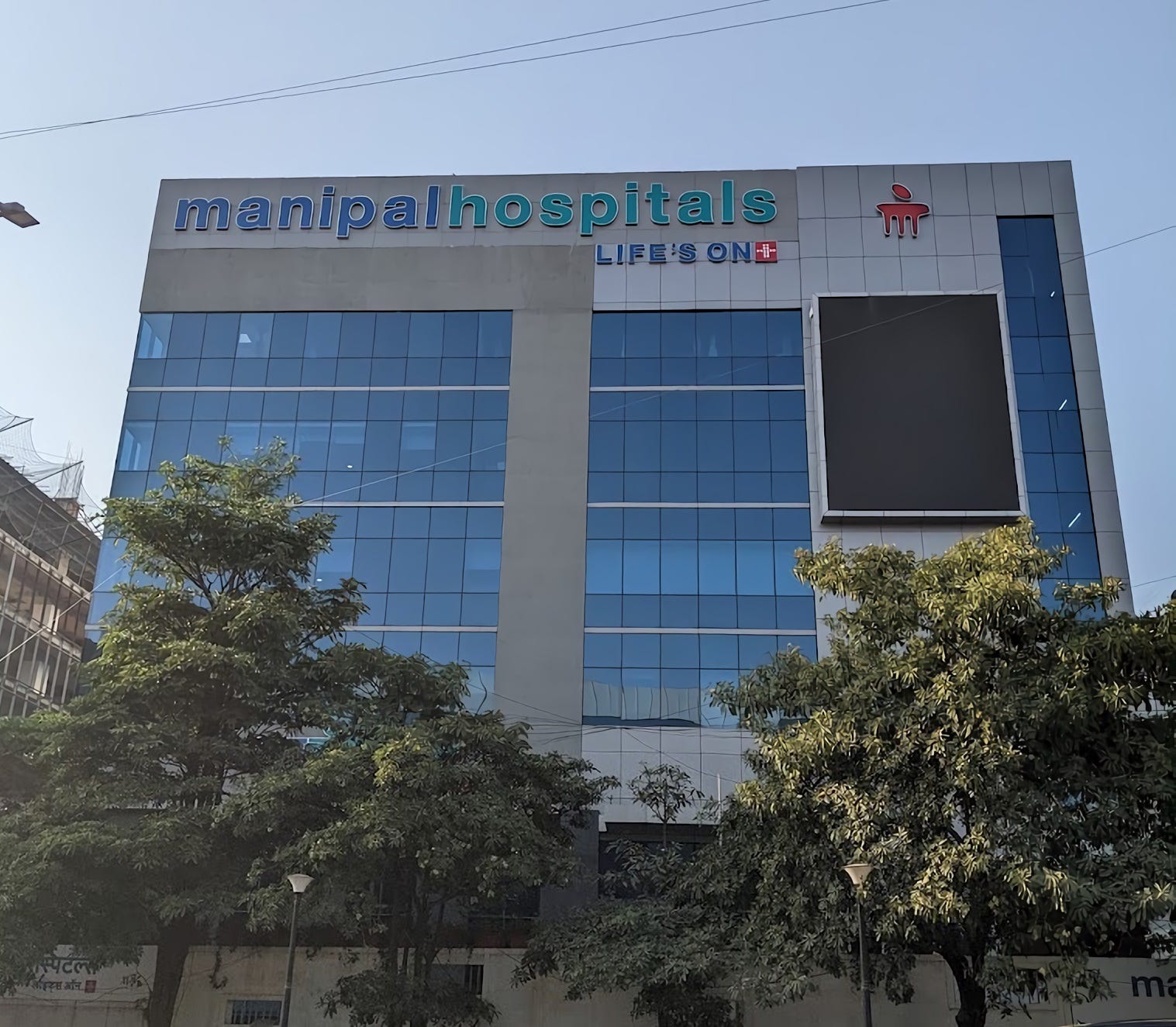
Manipal and Max, backed by private equity, show a similar pattern—high debt, high ARPOB, and higher patient bills.
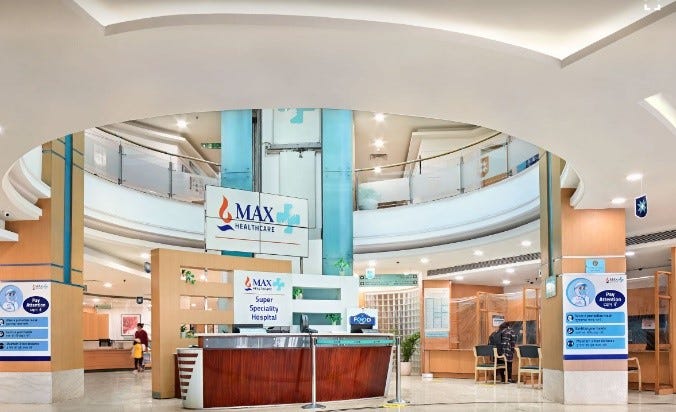
Sahyadri, though smaller, follows the trend with moderate debt and correspondingly lower but rising costs.
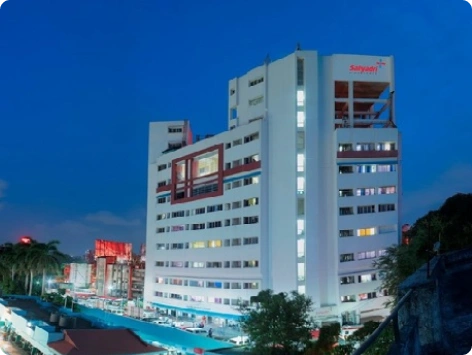
CGHS, the government-run system with no corporate debt, has dramatically lower ARPOB (₹9,000) and cost to patient (₹12,000), reflecting minimal profit motives.
This suggests that as hospitals accumulate more debt or private investment, they may be incentivized to increase charges or upsell services (e.g., diagnostics, surgeries) to improve returns, which could impact patient affordability and treatment integrity.

Comments
Post a Comment