The Vilage Billionaires - How they became billionaires in India and China through expats' remittances and their investments that turned their hamlets into major hubs in their countries

The Village Billionaires
This is the extraordinary story of billionaires from villages - from India's Madhapar village to China's Huaxi county - how they came to be, why they reside in hamlets

The Global Phenomenon of Millionaire Villages
By TN Ashok. August 29, 2025
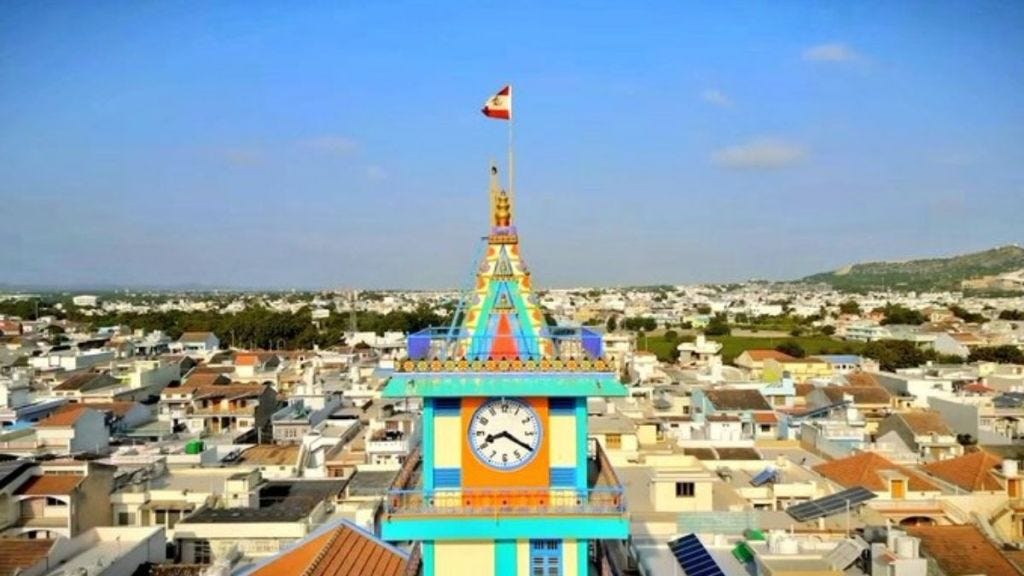
Madhapar village in Gujarat - Courtesy Financial Express, New Delhi - INDIA
While traditional villages conjure images of pastoral landscapes and subsistence farming, a fascinating global phenomenon has emerged where small rural communities have transformed into economic powerhouses rivaling major urban centers. These extraordinary settlements challenge conventional notions of rural poverty and demonstrate how strategic development, entrepreneurship, and community solidarity can create unprecedented wealth in the most unexpected places.
India's Crown Jewel: Madhapar, Gujarat
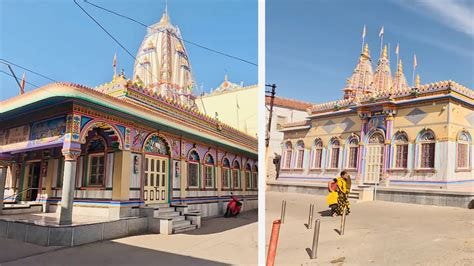
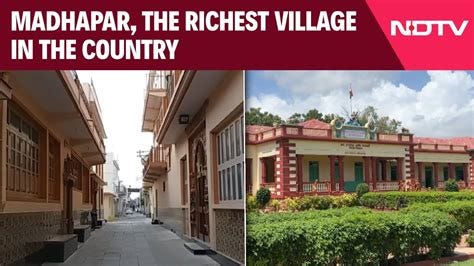
The story of Madhapar reads like a modern-day fairy tale. Located in Gujarat's Kutch district, this village of 92,000 residents has redefined what it means to be rural wealthy. With over $823 millin (Rs 7,000 crore) in bank deposits across 17 financial institutions and a millionaire or billionaire in every household, Madhapar has earned the distinction of being Asia's richest village.
The secret to Madhapar's extraordinary wealth lies in its diaspora. Approximately 65% of the village's population consists of Non-Resident Indians (NRIs) who migrated decades ago, particularly to Africa, the United Kingdom, United States, Canada, and Gulf countries. Members of the Patel and Mistri communities were among the early emigrants who seized opportunities in construction and trade when competition was minimal and possibilities unlimited.
What distinguishes Madhapar from other migration stories is the unbroken connection between emigrants and their homeland. These successful entrepreneurs didn't abandon their roots; instead, they invested heavily in their village's development. The remittances flowed consistently back home, funding infrastructure, education, and business ventures that transformed a once-modest settlement into a modern marvel complete with excellent roads, schools, colleges, hospitals, parks, and multiple bank branches.
India's Other Wealthy Villages
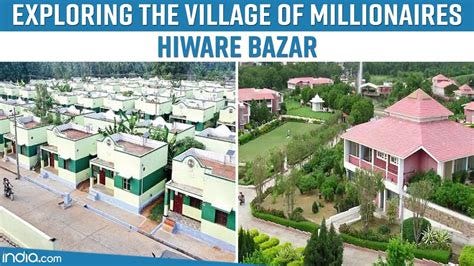
Madhapar isn't alone in India's landscape of prosperous villages. Hivre Bazar, situated in Maharashtra's Ahmednagar district, is known as another of India's richest villages due to the high number of millionaires residing there. Unlike Madhapar's diaspora-driven wealth, Hivre Bazar's transformation came through innovative agricultural practices and water conservation techniques that turned a drought-prone area into a thriving agricultural hub.
Other notable wealthy villages across India include settlements in Punjab's agricultural belt, where Green Revolution technologies and international agricultural trade have created substantial wealth, and villages in Karnataka that have benefited from the IT boom's spillover effects.
China's Socialist Millionaire Village: Huaxi
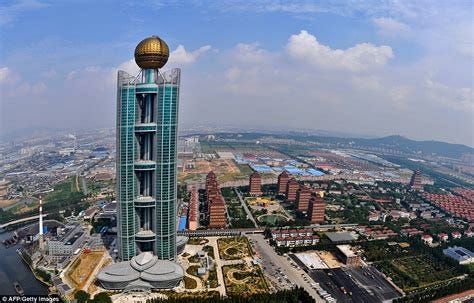
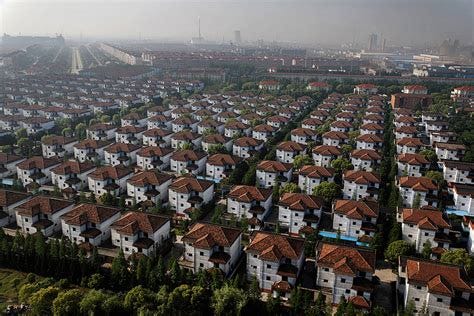
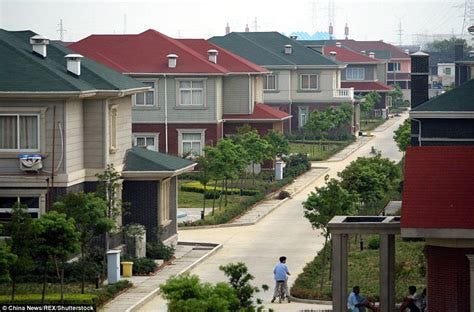
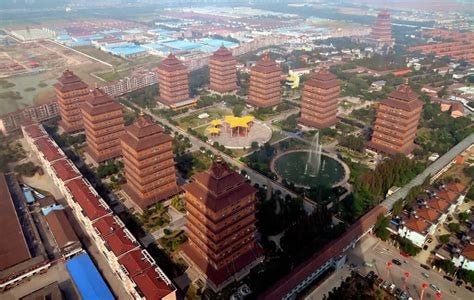
Photos : Courtesy: Dailymail.co.uk and other internet sources
Across the border China presents a fascinating contrast with Huaxi Village in Jiangsu Province. Known as the "Number One Village Under The Sky," Huaxi was founded in 1961, and according to local authorities, all villagers have wealth of at least €100,000 (Rs 90,00,000) . This represents a substantial amount by Chinese standards and showcases a unique model of collective prosperity.
Huaxi owes its success to Wu Renbao, a farmer and village patriarch who got his start in the early days of the Deng reforms by setting up a factory to make fertilizer spray bottles, soon making $242,000 a year and reinvesting his money in other ventures. Under Wu's leadership, the village established 12 corporations spanning steel, textiles, and tourism industries.
The village's wealth is displayed ostentatiously through luxury amenities including a 328-meter skyscraper hotel topped with a one-ton golden bull statue. However, Huaxi has also came to epitomize debt-ridden local governments as their troubles are laid bare through recent campaigns, suggesting that the village's wealth model faces sustainability challenges.
Revenue Sources and Economic Models
The wealth generation models of these villages differ significantly:
Madhapar's Diaspora Model: Built on remittances, international business profits, and strategic reinvestment in local infrastructure and real estate. The village benefits from a virtuous cycle where improved amenities attract more investment and skilled residents.
Huaxi's Industrial Collective Model: Based on centralized industrial development under collective ownership. The village operates as a corporation where residents are shareholders, benefiting from profits from steel mills, textile factories, and tourism ventures.
Agricultural Innovation Models: Villages like Hivre Bazar demonstrate how scientific farming, water management, and agricultural entrepreneurship can create substantial wealth while maintaining rural character.
The Billionaire Networks
While specific names of individual billionaires from these villages are not widely publicized for privacy reasons, the communities have produced numerous successful entrepreneurs in construction, manufacturing, agricultural exports, and international trade. In Madhapar's case, many families have built business empires in African markets, particularly in construction and commodity trading.
The banking relationships in these wealthy villages are sophisticated, with multiple national and international banks establishing branches to serve high-net-worth rural clients. These relationships often extend beyond traditional banking to include investment advisory services, international money transfers, and specialized financial products for NRI clients.
Global Context and Comparisons
The phenomenon of wealthy villages isn't limited to India and China. Similar patterns emerge in various forms globally:
Technology Spillover Villages: Communities near Silicon Valley and other tech hubs have seen dramatic wealth increases due to real estate appreciation and tech worker settlement.
Resource-Rich Rural Areas: Villages in oil-producing regions, mining areas, and locations with valuable natural resources have experienced sudden wealth creation.
Agricultural Export Powerhouses: Rural communities specializing in high-value crop exports or specialized farming have created significant wealth.
What Makes Them Tick: Success Factors
Several common factors contribute to the success of these wealthy villages:
Strong Community Networks: Both Madhapar and Huaxi demonstrate the power of community solidarity and mutual support systems.
Strategic Leadership: Visionary leaders who understand both traditional values and modern opportunities prove crucial.
Investment in Infrastructure: Wealthy villages consistently reinvest in education, healthcare, transportation, and communication infrastructure.
Diversified Economic Base: Successful villages avoid over-dependence on single revenue sources, building diverse economic portfolios.
Cultural Preservation: Maintaining cultural identity while embracing economic modernization creates sustainable development models.
Challenges and Sustainability
These wealthy villages face unique challenges including wealth inequality with surrounding areas, environmental pressures from rapid development, and the need to maintain community cohesion amid rapid change. The case of Huaxi's debt issues highlights how even successful models can face sustainability challenges.
The success of villages like Madhapar and Huaxi demonstrates that rural prosperity isn't an oxymoron. Through strategic thinking, community cooperation, and innovative economic models, these settlements have created wealth that rivals urban centers while maintaining their community character. Their stories offer valuable lessons for rural development worldwide, showing that with the right combination of human capital, community solidarity, and strategic vision, even the most traditional villages can become modern economic powerhouses.
As urbanization continues globally, these wealthy villages represent alternative development models that could reshape our understanding of where and how prosperity can be created and sustained.


Comments
Post a Comment