India raises Russia's comfort level as Western nations threaten further new sanctions - India assures Russia of continued oil buys and military hardware - Trade to be done in non dollar terms to prevent its isolation

Putin finds comfort in Delhi visit as the west tightens screws with fresh sanctions
India reassured Russia of maintaining its steadfast relations with continued purchases of oil , defence hardware, and non dollar currency trade but not gave no support to Putin on the Ukraine war

Putin in Delhi: A Defiant Russia Finds a Steadier Hand in India as the West Tightens the Screws
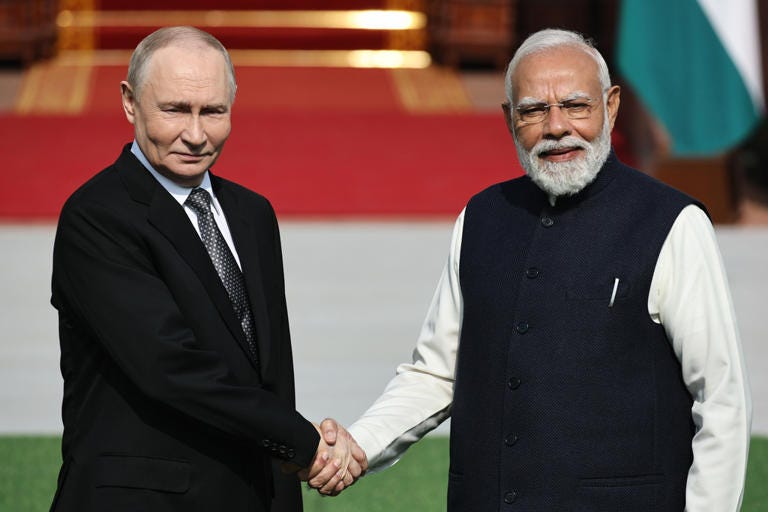
By TN Ashok. Dec 06, 2026
New Delhi — Indias has reassured Russia of steadfast support in continued oil purchases , importing military hardware including nuclear powered submarines, sukhoi mk111 advance combat aircraft but gave no guarantess of support on the Ukraine war leaving it vague deliberately for either side — the west and the east to interpret as it wanted.
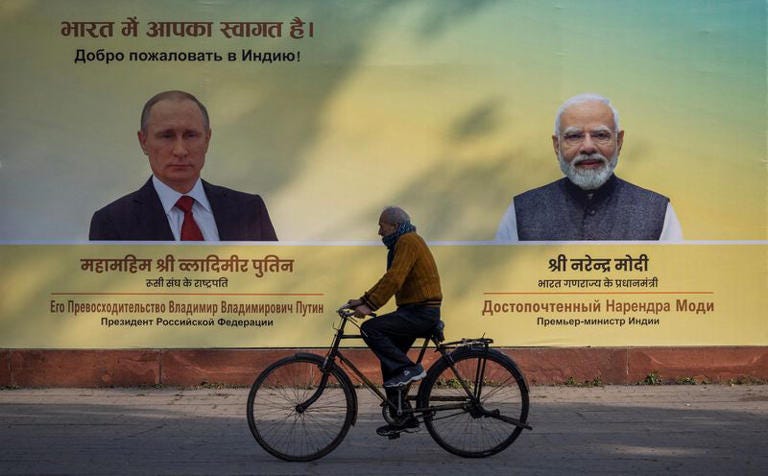
 Putins visit was timed at a moment when Moscow is staring at a fresh barrage of Western sanctions on its energy giants, when NATO is threatening secondary measures against countries buying discounted Russian crude, and when Europe is again pushing an unpalatable ceasefire formula for Ukraine, President Vladimir V. Putin landed in New Delhi to embrace the one major power still willing to stand by Russia without flinching: India.
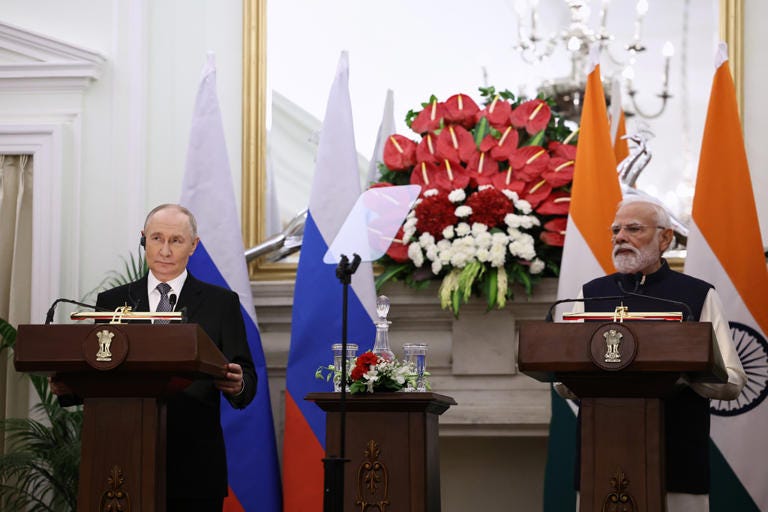
Prime Minister Narendra Modi received Putin at the airport with a warmth that suggested this was more than a routine summit. It was an unmistakable affirmation that India intends to chart its own geopolitical course — one in which Russian energy, Russian arms, and a centuries-deep strategic trust still matter.
For Putin, who has refused to bow to any Western timetable for ending the nearly four-year-old Ukraine war, the visit was an opportunity to signal that Russia is not isolated. For Modi, it was a chance to leverage Russia’s predicament to secure favourable terms in energy, defense, and manufacturing — while quietly dismissing Western pressure to cut ties with Moscow.

A Visit Shaped by Energy Turbulence
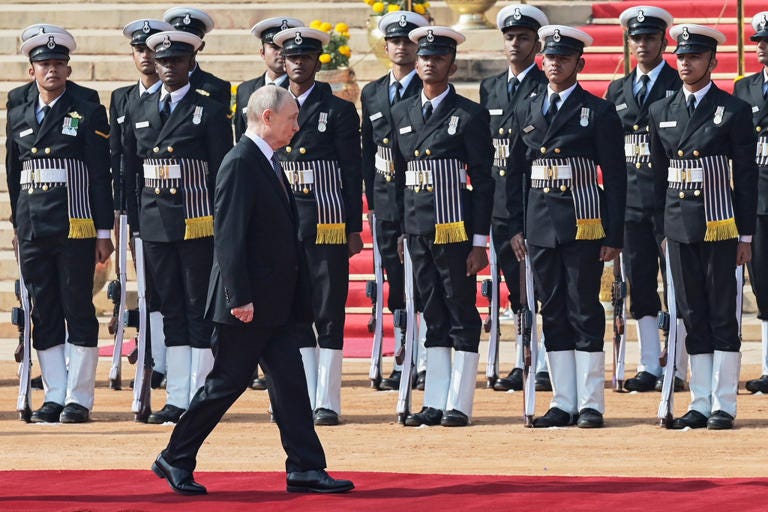
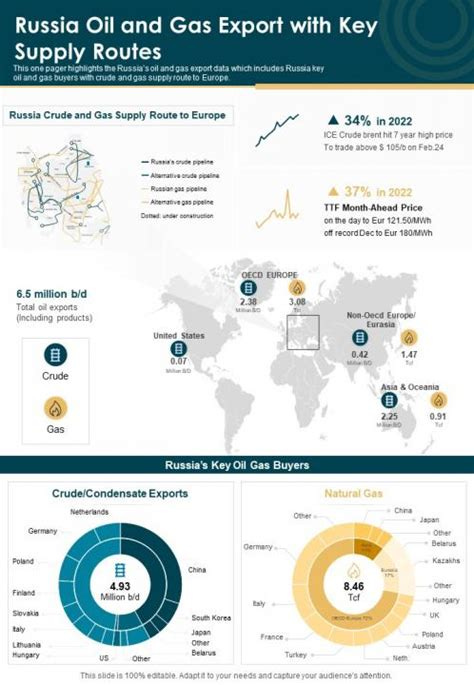
Putin arrived just as Washington and Brussels prepare to sanction additional Russian oil companies, an escalation aimed at choking off Moscow’s ability to sustain the war. In the past year, the U.S. has sanctioned two of Russia’s largest oil producers and raised tariffs on Indian exports, explicitly linking them to India’s import of Russian crude.
Instead of retreating, India has doubled down.
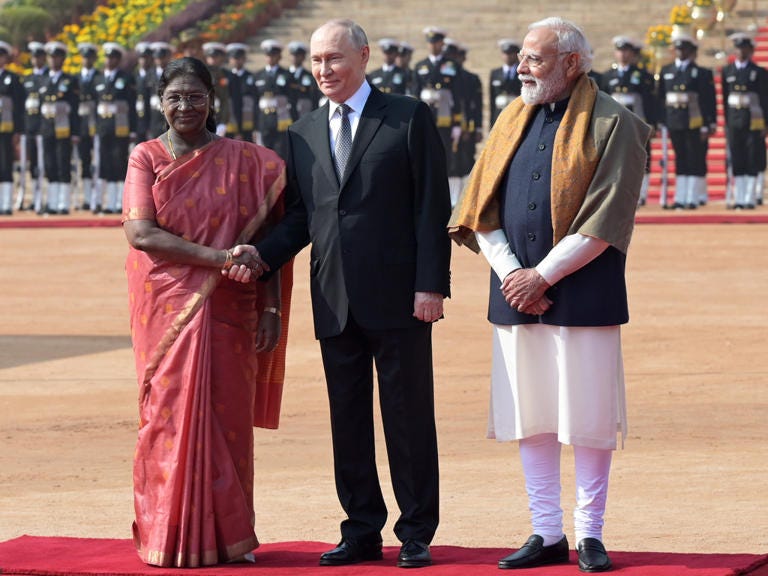
Modi, according to senior Indian officials, conveyed to Putin that India would continue to source Russian oil based on “market dynamics and national interest,” despite intensifying American di
spleasure. Foreign Secretary Vikram Misri noted that India’s priority was to secure affordable energy for 1.4 billion people — a line that effectively tells Washington that India will not sacrifice its energy security for geopolitical signalling.
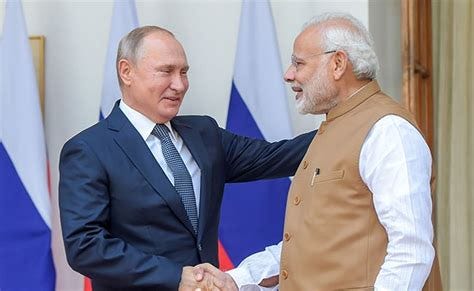
Putin, for his part, assured Modi of “uninterrupted supplies of fuel”, reaffirming Russia’s willingness to keep selling crude to India at a discount. Crucially, Russian negotiators proposed longer-term supply contracts, partially shielded from Western sanctions regimes, and a payment mechanism routed through non-dollar channels.
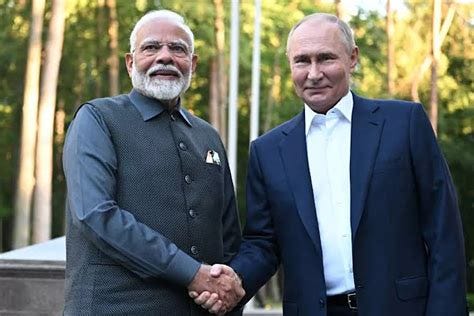
Behind closed doors, officials say Putin warned that secondary sanctions could soon hit Indian refiners buying from Russian intermediaries. He urged India to work directly with Russia’s state-backed entities instead. Modi reportedly sought written guarantees against price shocks if sanctions disrupted shipping or insurance.
Arms Deals: Submarines, Sukhois, and a Manufacturing Shift

India has been explicit: it wants Russia to resume timely delivery of pending S-400 systems, accelerate upgrades to Su-30MKI fighters, and reopen discussions on leasing another nuclear-powered attack submarine.
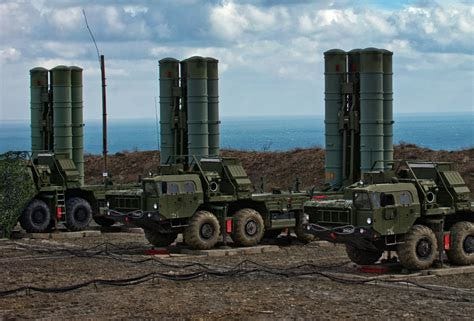
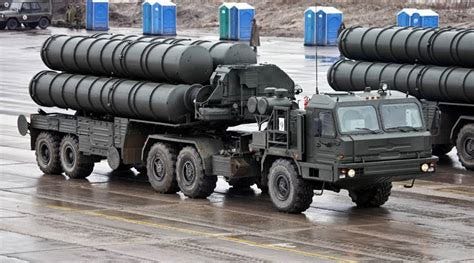
Putin responded by agreeing to:
Fast-track delivery of the remaining S-400 units
Prioritize the Su-30MKI modernization package, which includes new avionics and longer-range missiles
Revive negotiations on nuclear submarine leasing, though Russian officials insisted that details would remain classified
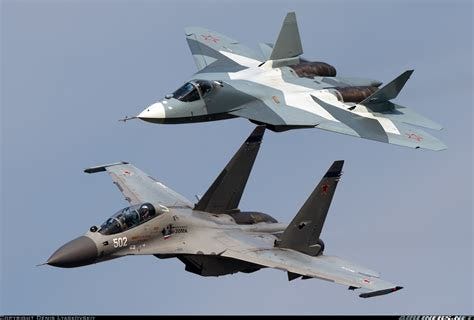
But the deeper shift underway may be in manufacturing. Russia, facing supply-chain disruptions and dependent on Asian partners to keep its defense industry alive, has shown strong interest in producing aircraft inside India.
According to officials familiar with the talks, Russia proposed a joint Sukhoi production line at HAL’s Bengaluru complex — a move both strategic and symbolic, positioning India as a long-term hub for Russian aviation technology. Putin also pushed for joint manufacturing of spare parts for Russian-origin platforms that dominate India’s arsenal.
Modi, who has sought to indigenize military imports under “Make in India,” welcomed the proposals. But he set conditions: India must receive full transfer of technology, and Russia must guarantee uninterrupted parts supply — something Moscow has struggled to provide since the Ukraine war began.
A New Economic Architecture to Survive Sanctions

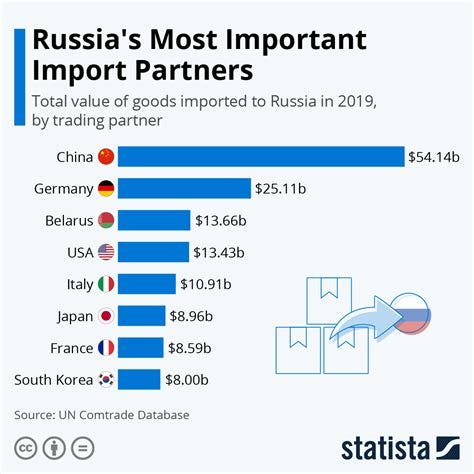
The two leaders also finalized a new economic cooperation programme until 2030, targeting $100 billion in trade — up from $68.7 billion today — and reaffirming:
A free trade agreement between India and the Eurasian Economic Union
Deep integration of energy, nuclear, fertiliser, and shipping sectors
Long-term agricultural and pharmaceutical export corridors to balance trade asymmetries
The plan is designed not merely to increase trade but to restructure it in ways that shield both countries from Western financial controls.
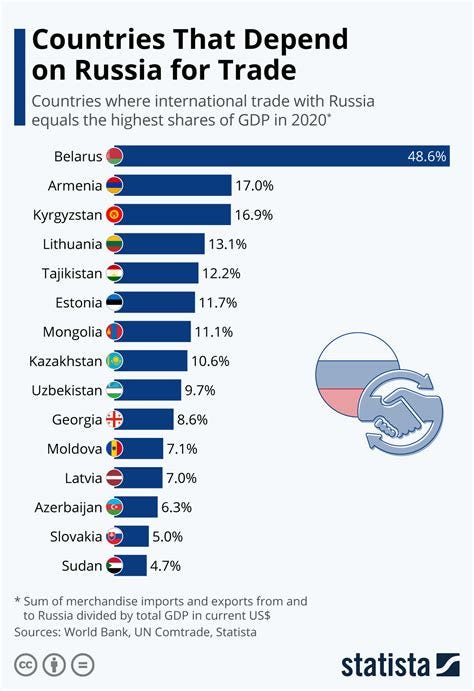
India pushed for the elimination of Russia’s non-tariff barriers affecting Indian drug makers and rice exporters. Russia sought India’s support in creating alternative shipping routes insulated from Western pressure — especially for Arctic crude.
The War in Ukraine: No Movement, No Concessions
While Western envoys privately hoped Modi would nudge Putin toward accepting a ceasefire formula endorsed by Europe, nothing of that sort occurred.
No return of territories seized since February 2022
No acceptance of Western peace frameworks
No entry of NATO observers or peace monitors
Negotiations only if Kyiv and the West recognise Russia’s territorial realities
Modi reiterated India’s position that dialogue was necessary, but the joint statement notably avoided language calli
ng for troop withdrawals or a ceasefire. Instead, it emphasised sovereignty, territorial integrity, and the UN Charter — language broad enough for both sides to interpret as they wish.
Terrorism, Afghanistan, and a Multipolar Asia
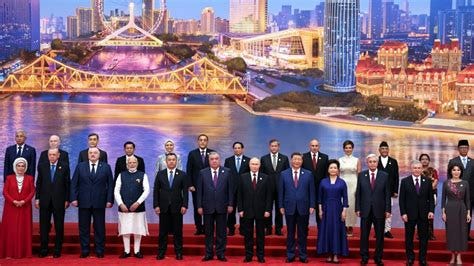
The leaders devoted significant attention to counterterrorism, condemning attacks in Pahalgam and Crocus City Hall and calling for a “zero-tolerance” approach. Both countries emphasised cooperation through the SCO, BRICS, and UN frameworks, and reaffirmed the need for stability in Afghanistan, including pressure on ISIS-K and Taliban factions sheltering extremist groups.
“We will walk together against terrorism,” Modi said, summarising a shared agenda that has long been a stabilising pillar of the relationship.
Climate Diplomacy Amid Geopolitical Firestorms
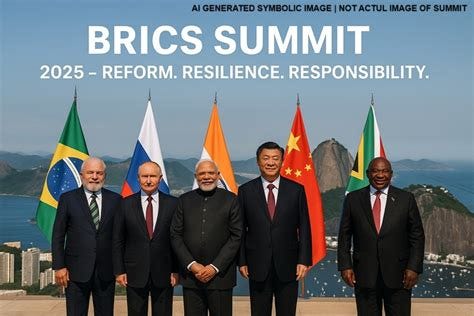
Even amid global tensions, India and Russia found room to expand climate cooperation, launching the BRICS Climate Research Platform and agreeing to deepen collaboration on Paris Agreement mechanisms, low-carbon technologies, and sustainable finance.
While climate is rarely the headline when Modi and Putin meet, the commitments signal India’s intent to prevent BRICS from being seen solely as an anti-Western bloc.
Whispers About Russian Oligarch Money in India

One of the more intriguing stories swirling before the visit involved rumors that Russia wanted India’s help to quietly repatriate funds parked by sanctioned oligarchs in Indian banks or investment vehicles.

Indian officials flatly denied any such discussions, saying no foreign leader can seek access to private or illegal assets under Indian law. Russian officials, too, dismissed the speculation, calling it “Western disinformation.”
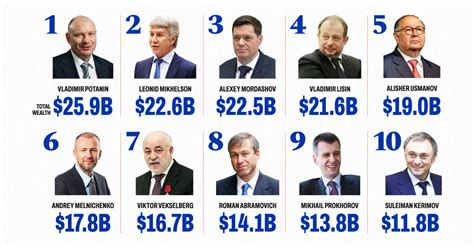
Yet the rumours persist. Several Indian economists note that capital inflows from opaque Russian entities did rise markedly after 2022, as oligarchs scrambled to move assets out of Europe. Whether Putin sought Modi’s help in tracking, securing, or retrieving any such funds remains unknown — but both capitals appear determined to keep any such conversations firmly off the record.
A Tightrope Walk for Modi, a Lifeline for Putin
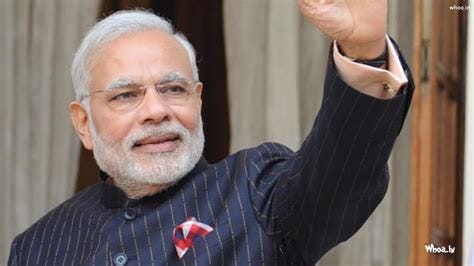
For New Delhi, Putin’s visit reinforces its desired identity as an autonomous global power — one that partners with the U.S. without taking dictation, buys oil from Russia without apology, and refuses to be drawn into Western coalitions against Moscow or Beijing.
For Moscow, India is not just a buyer of cheap oil. It is a diplomatic sanctuary, a manufacturing partner, a defense client, and a country willing to ignore Western pressure.
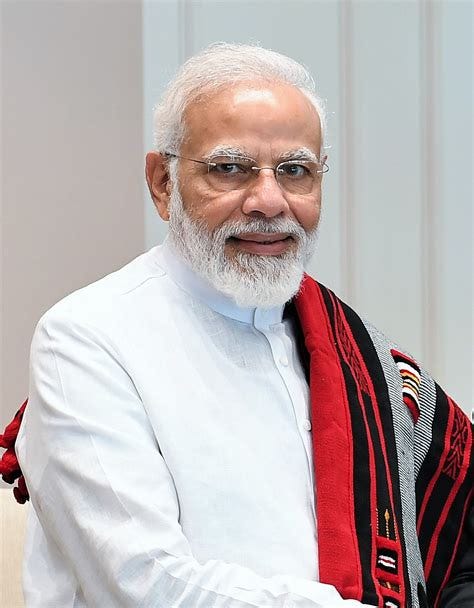
In a world growing more polarized by the day, Putin’s two days in Delhi underline a simple reality: the India-Russia partnership, once a Cold War artifact, is now being rebuilt as a pillar of the emerging multipolar order — one shaped not by Western sanctions, but by shared interests, hard calculations, and an unspoken recognition that neither side can afford to let the other drift away.

Comments
Post a Comment