Trump's 2nd salvo after ending birthright citizenship - Strip citizenship for many citizens found lying about thier background or involved in crime before naturalisation - Panic grips America as legalised citizens with no bad record fear being ICE'd.


DOJ moves in with denaturalization process even before ending birth right citizenship can go into effect – Question is what , why and how these legislations are related to each other in itsnintent and what profund impact it can have on naturalized American citizens is the question.

An Analysis
By TN Ashok. Washington, June 30, 2025

US President Donald Trump first wanted to end birthright citizenship with an executive order issued on Jan 20, 2025, the day he assumed office for his 2nd non-consecutive term as president. Again on June 20, 2025, he got the DOJ to issue an order for denaturalization of citizens in certain categories such as crime and illegal means of obtaining nationality.

While birth right citizenship issue is not yet settled in courts, the Supreme Court has only blocked injunctions from lesser courts against a presidents Executive Order , but not yet decided the constitutionality of such a matter which is sought to be questioned under various articles of the 14th amendment which grants citizenship to anyone born in the USA irrespective of the status of the parents.
Both the writer of the judgement Associate Justice Amy Cony Barrett, a Trump appointee, and Brett Kavanaugh, also an appointee of Trump, had clearly stated that their order is limited in scope to the injunctions being issued by lower courts on the presidents EO on the matter – that is leaving the main subject matter of ending birth right citizenship open or for possible further litigation through class action law suits for those who moved the petitions to seek relief.
There are some 28 states which have seen courts flooded with petitions questioning the presidents EO on ending birthright citizenship as being violative of the four articles enunciated in the 14th amendment which was brought by the congress to grant citizenship to freed American slaves from Africa.

The clauses in question are Citizenship clause, Immunities and Privileges clause, Due Process clause and Equal protection clause. All these provisions make it amply clear that citizenship ensures citizenship with civic liberties and rights, the explanation of the privileges of citizenship and immunities that goes along with it and the due process of law to enforce it against challenges and equal protection to the new class of citizens sought to be naturalized along with the same protection already accorded to already naturalized citizens, Born in the USA -- nee bruce Springstein.
Trump's EO goes into effect in some 28 states immediately where the injunctions have been removed and also to various other EOs of the president , which had been blocked in courts for him now to a have free ride with his legislations.

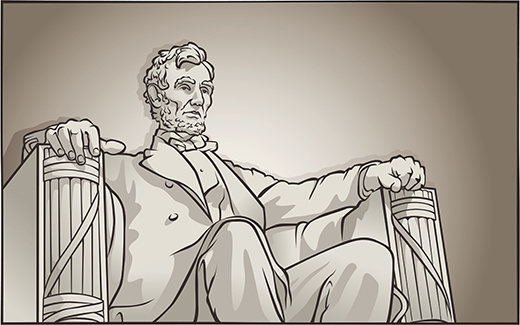
Associated with the EO on ending birthright citizenship is the question of the constitiuonal validity of the 14th amendment along with its four clauses , mentioned before, that are being sought to be questioned some 200 years later in a divided America along strictly ethnic lines – an extension of the Make America Great Again –MAGA – into a MAKE AMERICA WHITE AGAIN, because the 14th amendment was virtually enacted after the then Republican president Abraham Lincoln fought a civil war and freed the African slaves and gave them liberty and the right to vote.
As early as December 6, 1865, Ohio Congressman John Bingham proposed a constitutional amendment establishing the authority of Congress to protect civil rights. Bingham’s proposal served as the basis of what eventually became the first section of the Fourteenth Amendment. Image Source: Library of Congress.
Trump, according to his critics, is seeking to subvert the constitution by creating a class of two categories of citizens – those born in the USA and those who came in as immigrants , there was a first wave, a second wave , a third wave, a fourth wave and so on since the 16th century, when America was first discovered by Columbus.
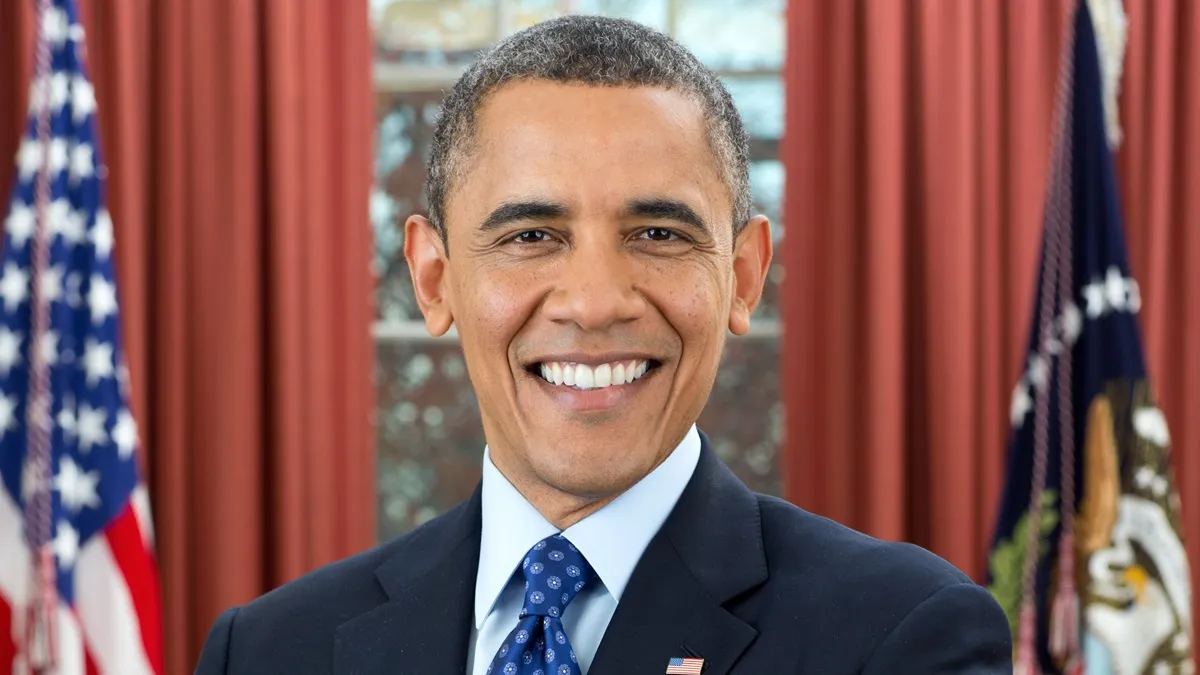 As Barack Obama, the 1st black African American president, said what is this immigration issue (that's bothering the nation) it seems to be a question of who came first. The immigration issue seems to be a remnant of the issues that bothered the confederation of states that fought a civil war against the abolition of slavery and lost it. It is resurfacing again in the confederate states more than in the union of states.
The first batch of immigrants want to end the citizenship rights of the subsequent batches of immigrants – so in law that would be very much questionable as the founding fathers of American constitution sought to give equal rights to all naturalized citizens , those born in the USA and those born to immigrant populations irrespective of their status.
The question here is that of the status of the newborn children’s parents of a non-naturalized citizen origin.. Trumps EO says end birthright citizenship of children born to immigrant who have no legal status to stay in the country, or have committed crimes, or been member of gangs that commit crimes or is involved in smuggling narcotics into the country (such as opioids like Heroine or Fentanyl that causes the death of some 100,000 American youths either due to drug abuse or over dose following addiction every year).

Ending of birthright citizenship is therefore an issue of contention between the executive (government) and the citizens that should drag on in law courts for a long time as it also involves the constituional validity of the 14th amendment – and any attempt to end it would create millions of state less citizens that could create major civil unrest, disobedience, riots and chaos and confusion leading perhaps to a state of anarchy.
Both the liberals in the GOP and the liberals (Democrats) want to avoid any ugly situation that could put some states against the other as in the 18th century when America went for a civil war against the abolition and protection of civil rights of the freed American slaves their right to liberty and freedom.

Now the de-naturalization of a certain class of citizens follows as a corollary in the above-mentioned scenario.
So, what has the DOJ done? The Department of Justice has initiated a denaturalization process aimed at revoking the citizenship of individuals who obtained it through fraud or who have committed serious crimes, such as terrorism or sexual offenses. This effort reflects a broader commitment to ensure that citizenship is not granted to those who pose a threat to society or who have misrepresented their eligibility.

The Justice Department is aggressively prioritizing efforts to strip some Americans of their U.S. citizenship. Department leadership is directing its attorneys to prioritize denaturalization in cases involving naturalized citizens who commit certain crimes — and giving district attorney's wider discretion on when to pursue this tactic, according to a June 11 memo published online.
The move is aimed at U.S. citizens who were not born in the country; according to data from 2023, close to 25 million immigrants were naturalized citizens.
At least one person has already been denaturalized in recent weeks. On June 13, a judge ordered the revocation of the citizenship of Elliott Duke, who uses they/them pronouns. Duke is an American military veteran originally from the U.K. who was convicted for distributing child sexual abuse material — something they later admitted they were doing prior to becoming a U.S. citizen.


Denaturalization is a tactic that was heavily used during the McCarthy era of the late 1940's and the early 1950's and one that was expanded during the Obama administration and grew further during President Trump's first term. It's meant to strip citizenship from those who may have lied about their criminal convictions or membership in illegal groups like the Nazi party, or communists during McCarthyism, on their citizenship applications.
The denaturalization has exponentially grown from 14% in Obama’s regime to over 30% in Trump’s presidency in the second term. And that worries critics on the basis of fears that it could be misused against politial opponents or to break voting blocks of certain political parties that derive their strength from ethnic populations.
Assistant Attorney General Brett A. Shumate wrote in the memo that pursuing denaturalization will be among the agency's top five enforcement priorities for the civil rights division.

"The Civil Division shall prioritize and maximally pursue denaturalization proceedings in all cases permitted by law and supported by the evidence," he said.
The focus on denaturalization is just the latest step by the Trump administration to reshape the nation's immigration system across all levels of government, turning it into a major focus across multiple federal agencies. That has come with redefining who is let into the United States or has the right to be an American. Since his return to office, the president has sought to end birthright citizenship and scale back refugee programs.
But immigration law experts expressed serious concerns about the effort's constitutionality, and how this could impact families of naturalized citizens.
The DOJ memo says that the federal government will pursue denaturalization cases via civil litigation — an especially concerning move, said Cassandra Robertson, a law professor at Case Western Reserve University.
In civil proceedings, any individual subject to denaturalization is not entitled to an attorney, Robertson said; there is also a lower burden of proof for the government to reach, and it is far easier and faster to reach a conclusion in these cases.
Robertson says that stripping Americans of citizenship through civil litigation violates due process and infringes on the rights guaranteed by the 14th Amendment.
Due to process of Law – Section one is the most litigated law in American history

SECTION 1. All persons born or naturalized in the United States, and subject to the jurisdiction thereof, are citizens of the United States and the State wherein they reside. No State shall make or enforce any law which shall abridge the privileges or immunities of citizens of the United States; nor shall any State deprive any person of life, liberty, or property, without due process of law; nor deny to any person within its jurisdiction the equal protection of the laws.
Annotations
Generally
Due process under the Fourteenth Amendment can be broken down into two categories: procedural due process and substantive due process. Procedural due process, based on principles of “fundamental fairness,” addresses which legal procedures are required to be followed in state proceedings. Relevant issues, as discussed in detail below, include notice, opportunity for hearing, confrontation and cross-examination, discovery, basis of decision, and availability of counsel. Substantive due process, although also based on principles of “fundamental fairness,” is used to evaluate whether a law can be applied by states at all, regardless of the procedure followed. Substantive due process has generally dealt with specific subject areas, such as liberty of contract or privacy, and over time has alternately emphasized the importance of economic and noneconomic matters. In theory, the issues of procedural and substantive due process are closely related. In reality, substantive due process has had greater political import, as significant portions of a state legislature’s substantive jurisdiction can be restricted by its application.
Although the extent of the rights protected by substantive due process may be controversial, its theoretical basis is firmly established and forms the basis for much of modern constitutional case law. Passage of the Reconstruction Amendments (13th, 14th, and 15th) gave the federal courts the authority to intervene when a state threatened fundamental rights of its citizens, and one of the most important doctrines flowing from this is the application of the Bill of Rights to the states through the Due Process Clause. Through the process of “selective incorporation,” most of the provisions of the first eight Amendments, such as free speech, freedom of religion, and protection against unreasonable searches and seizures, are applied against the states as they are against the federal government. Though application of these rights against the states is no longer controversial, the incorporation of other substantive rights has been.
Hans von Spakovsky, with the conservative Heritage Foundation, supports the DOJ's denaturalization efforts. "I do not understand how anyone could possibly be opposed to the Justice Department taking such action to protect the nation from obvious predators, criminals, and terrorists."
Birthright Citizenship: A Fundamental Misunderstanding of the 14th Amendment
The 14th Amendment doesn’t say that all persons born in the U.S. are citizens.


As for the due process concerns, von Spakovsky said, "Nothing prevents that alien from hiring their own lawyer to represent them. They are not entitled to have the government — and thus the American taxpayer — pay for their lawyer."
"That is not a 'due process' violation since all immigration proceedings are civil matters and no individuals— including American citizens — are entitled to government-furnished lawyers in any type of civil matter," he said.

People say the Pledge of Allegiance as part of receiving their citizenship at a Nationalization Ceremony hosted by the Jimmy Carter National Historical Park on Oct. 1, 2024 in Plains, Georgia.
The Justice Department is directing its attorneys to prioritize denaturalization in cases involving naturalized citizens who commit certain crimes, according to a June memo.
A broad criterion
According to this new memo, the DOJ is expanding its criteria of which crimes put individuals at risk of losing their citizenship. That includes national security violations and committing acts of fraud against individuals or against the government, like Paycheck Protection Program loan fraud or Medicaid or Medicare fraud.

"To see that this administration is plotting out how they're going to expand its use in ways that we have not seen before is very shocking and very concerning," said Sameera Hafiz, policy director of the Immigration Legal Resource Center, a national advocacy organization providing legal training in immigration law.
"It is kind of, in a way, trying to create a second class of U.S. citizens:" where one set of Americans is safe and those not born in the country are still at risk of losing their hard-fought citizenship, she said.
Other immigration experts point to another part of the guidance, which gives U.S. attorneys broader discretion to determine other eligible denaturalization cases. "These categories do not limit the Civil Division from pursuing any particular case," the memo states, and priorities for denaturalization can include "any other cases referred to the Civil Division that the Division determines to be sufficiently important to pursue."

Areas of Expertise
- Professional Responsibility
- Trial Advocacy
- Legal Ethics
- Judicial Ethics
- Historic Trials
- Story Structure
- Abolitionist Lawyers
Steve Loubet, professor emeritus at the Northwestern University Pritzker School of Law, said that language appears to grant the federal government "wide discretion" on deciding whom to target. "Many of the categories are so vague as to be meaningless. It isn't even clear that they relate to fraudulent procurement, as opposed to post-naturalization conduct," he said.
Von Spakovsky argues, "When we extend the opportunity for naturalization to aliens, we are granting them a great privilege — the privilege of becoming a U.S. citizen. Quite frankly, I don't think it matters whether someone was a human trafficker or a drug smuggler before they entered the country, while they were applying for citizenship, or after their naturalization."
"Anyone who has abused the privilege of the opportunity of becoming a U.S. citizen should have that citizenship revoked when they engage in such reprehensible behavior."
Lubet, who has written extensively about denaturalization, also raised concerns about the potential impact on families — particularly children whose citizenship was derived through a parent whose naturalization was later revoked.
"What struck me is the ripple effect that this would have on children who were naturalized through their parents," he said. " People who thought they were safely American and had done nothing wrong can suddenly be at risk of losing citizenship."
The DOJ didn't respond to questions about how this could impact children of naturalized parents or what happens in cases where an individual would be left stateless by being denaturalized.
A slippery slope
This is a list of denaturalized former citizens of the United States, that is, those who became citizens through naturalization and were subsequently stripped of citizenship. In the cases of Solomon Adler and Bhagat Singh Thind, they subsequently obtained United States citizenship. Frank Walus's nationality was restored after doubts emerged as to the accuracy of the complaints against him and his conviction was quashed.
According to a February 2, 2011 release from the United States Department of Justice, since 1979, the federal government has stripped 107 people of citizenship for alleged involvement in war crimes committed during World War II through the efforts of the Office of Special Investigations (OSI).
An unabridged 600-page Justice Department report obtained by The New York Times in 2010 stated, "More than 300 Nazi persecutors have been deported, stripped of citizenship or blocked from entering the United States since the creation of the O.S.I." The Los Angeles Times reported in 2008 that five such denaturalized men could not be deported as no country would accept them, and that four others had died while in the same situation..
War criminals from other conflicts, such as the Yugoslav Wars, have also had their citizenship stripped after their involvement in war crimes became known.
Others have been stripped of their citizenship for more mundane crimes; unless otherwise noteworthy, these people are not included on this list. Some of the people on the list below agreed after legal consultation and/or Department of State communications to give up their United States citizenship/nationality in order to avoid legal prosecution and/or exhaustive deportation/removal proceedings, which does not constitute voluntary relinquishment of citizenship as contrasted with the list of former United States citizens who relinquished their nationality.
Key of reasons
Hiding World War II crimes or association with the Nazis
Serious crimes, suspicion of spying, or association with terrorists
All other reasons
| Name | Reason | Denaturalization date | Status |
|---|---|---|---|
| Adeneye, Ibraheem | Convicted of conspiracy to commit marriage fraud, naturalization fraud, and making a false statement to a federal agency. Adeneye indicated that he was engaged in brokering sham marriages between Nigerian nationals and U.S. citizens so that the Nigerians could obtain immigration benefits, ultimately leading to U.S. citizenship. In return, the U.S. citizen "spouses" received cash payments to assist the Nigerians in the deception. | 2010 | U.S. District Judge Kenneth Hoyt sentenced Adeneye to the time he has already served in prison. The judge granted the government's motion to strip Adeneye of his U.S. citizenship. Adeneye became an alien subject to removal from the United States to Nigeria. |
| Adler, Solomon (1909–1994) | Government economist under investigation as a communist spy. Moved to Britain and was denaturalized after his passport expired. | Circa 1952 | |
| Almallah, Rasmi Khader | Became a permanent resident via a 1981 marriage four days before his student visa expired (later deemed "a green card marriage" by the Immigration and Naturalization Service) and naturalized in 1988. Almallah was stripped of his United States citizenship after coming to the authorities' attention for his connection to the Holy Land Foundation[8] (adjudged to be a Hamas fundraising entity) and also as a former employer of one of the 9/11 bombers. | 2007 | Appealed unsuccessfully to the United States Court of Appeals, Fifth Circuit.[7] Resident of Jordan, where he is a member of the Jordanian Senate.[9] |
| Artishenko, Basil (1923–1989) | Nazism: Member of Nazi-controlled police in Khoiniki (present-day Chojniki, Belarus), accused of helping execute about 100 unarmed people. | October 11, 1984 | Not deported from the United States in a settlement with the government that required him to give up his citizenship and nationality in 1984;[12] died in 1989. |
| Artuković, Andrija (19 November 1899 – 16 January 1988) | Nazism: Croatian Minister of Interior 1941–1942; 1943. | 1986 | Yugoslavia requested extradition 1951; request rejected 1959; deported 1986 to Yugoslavia. Sentenced to death, but not executed due to age and health. Died in a prison hospital in 1988, aged 88. |
| Avdzej, John, aka: Ivan Aŭdzej and Jan Awdziej (1905–1998) | Nazism: Mayor of Stolpce in Nazi-occupied Poland. | March 2, 1984 | Left the country in February 1984 for West Germany, where he renounced his US citizenship as part of a deal to avoid prosecution.[14] Died in 1998.[15] |
| Bartesch, Martin (1926–1989) | Nazism: Failure to disclose his past when he applied for U.S. citizenship: member of the Prinz Eugen Division of the S.S. from 1943–44; while a guard at Mauthausen concentration camp, he shot Gottfried Ochshorn dead when Ochshorn attempted to escape. | May 29, 1987 | Fled to Austria, where he later died.[17] |
| Baumann, Anton (1911–1994) | Nazism: SS Death Head's Battalion guard at Stutthof and Buchenwald concentration camps. | May 17, 1991 | Ordered deported to Germany in 1993, but deportation was never carried out due to his health; died in 1994.[19] |
| Bellei, Aldo Mario | Born in Italy to an Italian father and an American mother, Bellei lost his citizenship for not moving to and living in the United States for at least five years prior to his 28th birthday; see Rogers v. Bellei. | April 5, 1971 | U.S. Supreme Court vacated lower court ruling, finding against Bellei in 1971. Provision under which Bellei was denaturalized was repealed (Public Law 95-432) by Congress in 1978. |
| Berezowskyj, Walter (né Wolodymyr Berezowskyj; 1924–2010) | Nazism: Guard at Trawniki, Poniatowa, and Gusen concentration camps. | September 15, 1998 | Never deported from the United States due to his health; died in 2010.[23] |
| Bernes, Peter John (né Petras Bernotavičius; 1922–2004)[24] | Nazism: Deputy to Nazi-appointed mayor and police commander Werner Loew in Kupiškis, Lithuania. | May 23, 2002 | Fled to Lithuania in 2002,[26] where he later died. |
| Bless, Anton (1924–2004) | Nazism: SS-Death's Head Battalion guard at Auschwitz concentration camp. | December 18, 1992 | Fled to Germany in 1992, where he died in 2004.[28] |
| Braunsteiner, Hermine (1919–1999) | Nazism: Failure to disclose conviction for war crimes; female concentration camp guard. | 1971 | First Nazi war criminal extradited from the United States to Germany. Sentenced to life imprisonment in 1981, but released in 1996 for health reasons. |
| Breyer, Hans Johann aka Johann Breyer (1925–2014) | Nazism: Waffen SS; also guard at Buchenwald and Auschwitz. | May 1992 | On June 17, 2013 the District Court of Weiden, Germany issued an arrest warrant for Johan Breyer for complicity in the commission of murder while a guard at Auschwitz. He was arrested at his home in Philadelphia one year later and, although he was in frail health at age 89, he was held without bail pending an extradition hearing. Considering his age and that he was a teenager when World War II ended in Europe, he is likely to be the last person pursued by the United States government for his service in the SS.[30] He died in a hospital before his extradition hearing was held. |
| Bučmys, Ildefonsas (1920–2005)[31] | Nazism: Guard at Majdanek concentration camp. | February 17, 2005 | Not deported from the United States in a settlement with the government that required him to give up his U.S. citizenship and nationality in 2005;[33] he died later that same year. |
| Budreika, Joseph (né Juozas Budreika; 1916–1996) | Nazism: Member of the Lithuanian Schutzmannschaft. | May 28, 1996 | Fled to Lithuania on May 14, 1996, in an agreement with the OSI.[34] Died less than a month after arriving in Lithuania.[35] |
| Čiurinskas, Kazys — AKAs: Casimir, Kasimir, Kazimeris, Charlie, Casey Čiurinskas (1918–2001)[36] | Nazism: Member of the Lithuanian Schutzmannschaft. | June 18, 1997 | Fled to Lithuania in 1999 after consenting to deportation.[38] |
| Dailidė, Algimantas (1921–2015) | Nazism: For having "illegally procured" citizenship.[39] Member of the Lithuanian Security Police during World War II. | January 29, 1997 | Fled to Germany in 2004 after being ordered deported.[40] Convicted by a Lithuanian court in 2006, but not imprisoned due to his age. |
| Damrah, Fawaz Mohammed | Imam who was convicted on June 18, 2004, of lying on his naturalization application about his association with three groups classified as terrorist organizations by the U.S. government. | September 23, 2004 | Deported to the Palestinian West Bank in January 2007.[citation needed] |
| Demjanjuk, John (1920–2012) | Nazism: Allegedly concealed being a concentration camp guard at Sobibor, Majdanek, Flossenbürg, and Trawniki, thus committing naturalization fraud. | June 25, 1981. Citizenship restored February 20, 1998. Denaturalized again on February 21, 2002. | Deported to Germany. On July 13, 2009, Demjanjuk was formally charged with 28,060 counts of accessory to murder, one for each person who died at Sobibor during the time he was accused of serving as a guard at the Nazi death camp.[42] On November 30, 2009, Demjanjuk's trial began in Munich.[43] Convicted by Germany in 2011, but released from custody pending his appeal.[42] Died in 2012 before appeal could be heard, thus the Munich District court declared him "presumed innocent". The court confirmed that, in accordance with German law, Demjanjuk's previous interim conviction had been invalidated and that Demjanjuk was without a criminal record.[44] |
| Denzinger, Jakob Frank, a.k.a. Jacob Frank Denzinger (1924-2016) | Nazism: Guard at Mauthausen, St. Georgen, Kraków, and Auschwitz concentration camps. | November 27, 1989 | Fled to West Germany in August 1989; living in Croatia as of 2014.[47][48][49] |
| Derkacz, Michael, a.k.a. Michael Dercacz (1909–1983) | Nazism: Member of the Ukrainian police who "assisted the Nazis in persecuting civilian Jews." | February 4, 1982 | Derkacz failed to file a notice of appeal against this summary judgment before the time for such an appeal expired, and the revocation of his citizenship thus became final. He died in August 1983 before his deportation hearings were scheduled to begin.[50] |
| Deutscher, Albert [1920-1981] | Nazism: Member of Selbstschutz in Ukraine. | December 17, 1981 | US Justice Department moved to denaturalize him; not proceeded with as Deutscher of Brookfield, Illinois committed suicide by getting run over by a train.[52] |
| Didrichsons, Valdis (1913–1995)[53] | Nazism: Member of Arajs Kommando military unit in Nazi-occupied Latvia. | March 5, 1990 | Never deported from the United States due to his health; died in 1995.[55] |
| Džeko, Edin (born 1972) | War criminal from the former Yugoslavia, who participated in the 1993 murder of Croat non-combatants during the Bosnian War while a soldier in the Bosnian Army. Immigrated to the United States in 2001 under refugee status and lived in the State of Washington and was naturalized as a United States citizen in 2006. Was denaturalized and stripped of his US citizenship in 2018 due to neglecting to mention his service in the Bosnian Army during his naturalization process. | 2018 | Deported to Bosnia and Herzegovina in 2011, where he was sentenced to 12 years for participating in the Trusina massacre while a member of the Bosnian Army.[62][63] |
| Fedorenko, Feodor (1907–1987) | Nazism: Guard at Treblinka extermination camp. | March 11, 1981 | Deported to the Soviet Union, where he was sentenced to death for treason and executed in 1987.[65] |
| Firishchak, Osyp, AKAs: Osip, Yosef, Josif, Josyf; Firischtschak, Firiscak, Firischak, Firiszczak, Firischtschuk, Firitschak, Firschak (1919–2012) | Nazism: Member of the Ukrainian Auxiliary Police. | August 30, 2005 | Ordered deported by an immigration judge; appeal denied by Supreme Court on February 21, 2012.[67] Died later that same year.[68] |
| Friedrich, Adam (1921–2006) | Nazism: Guard at Gross-Rosen, Dyhernfurth, and Flossenbürg concentration camps. | February 24, 2004 | Died in July 2006 before deportation proceedings could begin.[71] |
| Galan, Orest (born 1921) | Nazism: Member of the Ukrainian Auxiliary Police | November 2006 | Ordered to leave United States by November 15, 2006 in settlement agreement with the OSI.[72] Returned to Ukraine. |
| Geiser, Anton (1924–2012) | Nazism: SS Death's Head Battalion guard at Sachsenhausen and Buchenwald. | September 29, 2006 | Died in 2012 while appealing his deportation.[74] |
| Gimžauskas, Kazys (1908–2001) | Nazism: Deputy to Aleksandras Lileikis in the Lithuanian Security Police. | June 1996 | Fled to Lithuania in 1993 or 1994.[75] Convicted by a Lithuanian court in 2001, but not imprisoned "after experts concluded he was not mentally fit to take responsibility for his past actions."[76] Died shortly afterward.[76] |
| Goldman, Emma (1869–1940) | Anarchist. | 1919 | Deported on December 21, 1919; landed in Finland on January 17, 1920, and sent from there to the Russian border.[77] |
| Gorshkow, Mikhail (1923–2013) | Nazism: Former interrogator for the Gestapo accused of participating in the murders of about 3,000 people. | July 29, 2002 | Fled to Estonia before being denaturalized.[78] Died in 2013.[80] |
| Gostić, Jadranko (born 1963) | Served in the Zvornik Infantry Brigade of the Bosnian Serb Army from April 1992 until December 1995; concealed involvement in war crimes in Bosnia, including Srebrenica (1995). | June 1, 2010 | Deported to Serbia in 2010 after agreeing to admit to the allegations against him, to be denaturalized and to surrender any claim to lawful permanent resident status.[81] |
| Grabauskas, Joseph J. (né Juozas Grabauskas; 1918–2002)[82] | Nazism: Member of the Lithuanian Schutzmannschaft. | November 1993 | Repatriated to Lithuania as per settlement with the OSI in November 1993; died in 2002. |
| Gudauskas, Vytautas (1918–1997)[85] | Nazism: Member of the Lithuanian Schutzmannschaft. | 1994 | Not deported from the United States in a settlement with the government that required him to give up his U.S. citizenship;[87] died in 1997.[88] |
| Habich, Jakob, a.k.a. Jacob Habich (1913–1995)[89] | Nazism: SS-Death's Head Battalion guard at Lublin and Auschwitz concentration camps. | March 14, 1990 | Never deported from the United States due to his health; died in 1995.[91] |
| Hajda, Bronisław, akas: Bronislaw Hajda and Bruno Hajda (1924–2005)[92] | Nazism: Guard at Trawniki concentration camp and Treblinka labor camp; member of SS Battalion Streibel. | April 9, 1997 | Not deported as no country would accept him; died in 2005.[94] |
| Hammer, Ferdinand (1921–2004) | Nazism: Alleged (never proven) SS guard at Auschwitz and Sachsenhausen concentration camps. | May 22, 1996 | Deported to Austria in 2000, where he died in 2004.[96] |
| Hansl, John, né Johann Hansl[97] (1925–2007) | Nazism: SS Death's Head Battalion guard at the Sachsenhausen and Natzweiler concentration camps. | April 8, 2005 | Died in 2007 in Des Moines, Iowa before deportation proceedings could begin. |
| Hartmann, Martin (born c. 1919) | Nazism: SS-Death Head's Battalion guard at Sachsenhausen concentration camp. | September 2007[100] | Agreed to permanently depart the United States for Germany on August 31, 2007, in an agreement with the OSI. Believed to be living in Berlin.[101] |
| Haupt, Hans Max and Erna (née Froehling) | Nazism: Parents of Herbert Hans Haupt (naturalized American citizen executed in 1942 after being convicted of spying on U.S. soil for Nazi Germany). Hans Max and Erna (Froehling) Haupt were stripped of their United States citizenship and deported. Hans Max was eventually sentenced to life imprisonment and a fine of $10,000. In 1957, he received a presidential commutation and was deported to Germany, joining his wife Erna who had been deported in 1948. | 1946: Erna (née Froehling) Haupt 1957: Hans Max Haupt | Deported, albeit whereabouts are unclear as their native Stettin became part of Poland (Szczecin) after the war, and most of the German population had been expelled.[103] |
| Holejko, Nestor {Died 1991} | Nazism: Gestapo Agent Czechoslovakia | 1968 | Postwar Agent for CIA; postwar request for deportation to Czechoslovakia refused; Died March 1991 Florida |
| Hrusitzky, Anatoly (1917–1992) | Nazism: Member of Nazi-controlled police force in Cherny Ostrov, Ukraine | June 29, 1984 | Fled to Venezuela in 1984, where he renounced his United States citizenship and later died in 1992.[106] |
| Hutyrczyk, Sergis (1924–1993) | Nazism: Guard at Koldyczewo concentration camp. | October 2, 1992 | Died in 1993 while appealing his denaturalization.[108] |
| Jean-Baptiste, Lionel (born 1947) | Failure to "establish and maintain 'good moral character'" due to conviction as a drug dealer after application for citizenship, but before his naturalization on April 23, 1996. | circa 2003 | Denied entry to Haiti, his homeland, after denaturalization, on the grounds he had relinquished his Haitian citizenship by becoming a U.S. citizen. Jailed in 2006 for a subsequent drug-related crime. Released on an Order of Supervision after the United States Supreme Court ruled that foreigners who could not be deported could not be detained indefinitely. [citation needed] |
| Jordan, Gilberto (born 1956) | Participated in the Dos Erres massacre, Guatemala in December 1982. | September 16, 2010 | Sentenced to 10 years in prison for naturalization fraud. Released in 2019; deported to Guatemala in 2020.[111][112] |
| Kairys, Liudas (né Liudvikas Kairys; 1920–1999)[113] and also known as Ludwig Kairys | Nazism: Platoon leader at Treblinka. | December 28, 1984 | Deported to Germany in 1993.[114] Germany suspended its investigation of him in 1999, by which time he had died.[116] |
| Kalymon, John, né Jan Kalymun, a.k.a. Iwan Kalymon (1921–2014) | Nazism: Service in Nazi-affiliated Ukrainische Hilfspolizei (Ukrainian Auxiliary Police) during World War II. The U.S. Justice Department says Kalymon claimed to have shot and killed a Jew in 1942 when Jews were being removed from what is now Lviv, Ukraine. He later denied having done so. | March 29, 2007 | Died in 2014 while awaiting extradition to Germany. |
| Kauls, Juris (1912–2008) | Nazism: Deputy chief and inspector of guards at a concentration camp near Riga, Latvia. | September 8, 1988 | Fled to West Germany in August 1988.[121][122] Died in Latvia in 2008.[123] |
| Kiršteins, Miķelis (1916–1994)[124] | Nazism: Member of Arajs Kommando military unit in Nazi-occupied Latvia. | December 1991 | Never deported from the United States due to his health; died in 1994.[126] |
| Klimavičius, Jonas (1907–1993)[127] | Nazism: Member of the Lithuanian Schutzmannschaft | November 28, 1988 | Not deported from the United States in a settlement with the government that required him to give up his U.S. citizenship and nationality in 1988; died in 1993. |
| Knauer, Paul (1895–1962) | Nazism: False oath of allegiance due to affiliations with German-American Bund, German-American Citizens Alliance and the German Winter Relief Fund, the last being an official agency of the German government for which German consulates solicited money in the United States. | June 10, 1946 | Regained entry to the United States in 1957.[130] |
| Kolnhofer, Michael (1917–1997) | Nazism: KZ Guard | 1996 | Came to United States in 1952; US Justice Department filed suit to strip him of citizenship; Not denaturalized as he was shot and wounded in Kansas City, Kansas after a gunfight with police in which he fired a pistol at reporters and police December 31, 1996;[131] died of injuries March 1997 age 80. |
| Koréh, Ferenc (1909–1997) | Nazism: Editor of the Hungarian pro-Axis newspaper Székely Nép. | June 28, 1994 | Ordered deported in 1997, but deportation was not carried out due to his health;[133] died later that same year.[134] |
| Kowalchuk, Serge, a.k.a. Serhij Kowalczuk (1920–1998)[135] | Nazism: Senior member of Lithuania militia supporting Nazi persecution of Jews in the town of Lubomyl. | July 1, 1983 | Ordered deported to the Soviet Union, but fled to Paraguay in 1987.[138] Died in 1998.[139] |
| Koziy, Bohdan aka: Bohdan Jozij, Bogdanus Kosij (1923–2003),[140][141] | Nazism: Member of the Ukrainian Auxiliary Police. | March 29, 1982 | Fled to Costa Rica in 1985, where he died in 2003.[143] |
| Krysa, Wasyl (1925–2004) | Nazism: SS guard at Poniatowa and Gusen concentration camps. | October 5, 2001 | Died in 2004, while appealing his denaturalization.[145] |
| Kuhn, Fritz Julius (1896–1951) | Nazism: Fraud in naturalization process. | June 1, 1943 | Leader of the German American Bund. Jailed as an enemy agent, and deported to Germany in late 1945. |
| Kumpf, Josias (1925–2009) | Nazism: SS-Death's Head Guard at Sachsenhausen and Trawniki. | May 10, 2005 | Deported to Austria in 2009, where he died later that year. |
| Kungys, Juozas, a.k.a. Joseph Kungys (1915–2009)[149] | Making false statements on his visa application. | A district court decision in Kungys' favor was reversed by the Court of Appeals, and he was remanded for denaturalization on June 20, 1986.The decision was overturned by the Supreme Court on May 2, 1988. Kungys agreed to give up his U.S. citizenship in 1988 to avoid deportation. | Died in Hudson County, New Jersey in 2009.[154] |
| Kuras, Andrew, aka: Andrej, Andrij, Andrey, Andreas, Andrzej, Andre Kuras (1922–2007)[155] | Nazism: Guard at Trawniki, Poniatowa, and Dorohucza concentration camps; member of SS-Battalion Striebel. | April 14, 2004 | Never deported from the United States due to his health; died in 2007.[157] |
| Kwoczak, Fedir (aka Fedor Kwoczak; 1921–2003)[158] | Nazism: Guard at Trawniki and Poniatowa concentration camps; participated in liquidation of Warsaw and Białystok ghettos; member of SS-Battalion Streibel. | June 27, 2002 | Died in 2003 while appealing his denaturalization.[161] |
| Linnas, Karl (1919–1987) | Nazism: Commandant of a Nazi concentration camp at Tartu, Estonia, who personally shot civilians. | 1981 | Sentenced to death in absentia by the Soviet Union. Deported in 1987. Not executed due to age and health and died in a Soviet prison hospital.[162] |
| Leili, Stefan (1909–1995) | Nazism: SS-Death's Head guard at Mauthausen concentration camp who admitted shooting a 17-year-old French Jew, Leon Axelroud, during an escape attempt. | December 30, 1986 | Fled to West Germany in August 1986,[163] where he died in 1995.[164] |
| Leprich, Johann (aka John M. Leprich 1925–2013)[165] | Nazism: SS Death's Head Battalion guard at Mauthausen concentration camp. | July 13, 1987 | Arrested in hiding in 2003; released from prison in 2006; as no country would accept him; died in 2013.[169][170] |
| Li, Xunmei Grace | Convicted of [making] false statements, bigamy, an extramarital affair, and concealment or misrepresentation of facts to get citizenship. | August 2014 | Li was married to two men at the same time, but she contended that one of the marriages was intended to appease the parents of her children's father (Gang Chen) and was not supposed to be real. (Gang Chen, a onetime green card holder, was deported in 2013.) Li was also implicated in the 2007 security breach at an Arizona intelligence center.[171] She worked for a Homeland Security contractor that had installed a facial recognition system in the Arizona Counter Terrorism Information Center, an intelligence-sharing hub run by the state. A Chinese contractor, whom she helped recruit, worked on the program before he quietly left the country in 2007 with equipment and possibly data and other information that belonged to the Phoenix-based company, Hummingbird Defense Systems Inc.[172] |
| Lileikis, Aleksandras (1907–2000) | Nazism: Accused of leading a secret Lithuanian police unit during World War II. | May 24, 1996 | Returned to Lithuania in 1996. War crimes trial suspended in 2000 due to ill health of defendant, who died the same year, aged 93.[175] |
| Lipschis, Hans aka Antanas Lipšys {1919–2016} | Nazism: KZ Auschwitz Guard | Deported in 1983 for "lying about his Nazi past" from Chicago Illinois | Arrested Germany 2013; died 2016 |
| Lytwyn, Wasyl (born 1921) | Nazism: Guard at Trawniki concentration camp; participated in the liquidation of Warsaw ghetto; member of SS-Battalion Streibel. | December 1995 | Repatriated to Ukraine in December 1995 as per agreement with the OSI.[177] |
| Maikovskis, Boļeslavs (1904–1996) | Nazism: Latvian Police Chief | 1987 | Fled in 1987 to West Germany; judged too feeble to be tried for war crimes; died 1996 |
| Mandycz, Iwan (1920–2017) | Nazism: Guard at the Trawniki and Poniatowa camps near Lublin in Nazi-occupied Poland. Became a U.S. citizen in 1955. | February 28, 2005. Appeal dismissed May 22, 2006. | Was not deported due to his health. Died September 6, 2017 Sterling Heights, Michigan age 97[179] |
| Meneses, Laura (1894-1973) | Activist and wife of Puerto Rican Independence leader Pedro Albizu Campos. | U.S. citizenship revoked in 1948. | Residing in Mexico at the time of her citizenship being revoked, she later self exiled herself to Cuba and became a naturalized Cuban citizen. Died April 15, 1973 in Havana, Cuba[180] |
| Miling, Jakob (1924–2009) | Nazism: SS-Death's Head Battalion guard at Gross-Rosen and Sachsenhausen concentration camps.[181] | August 4, 2003 | Fled to Serbia in September 2002, where he renounced his U.S. citizenship a year later and died in 2009.[183] |
| Milius, Adolph (né Adolfas Milinavičius; 1918–1999) | Nazism: Member of the Lithuanian Security Police. | August 17, 1996 | Fled to Lithuania in 1996, where he died in 1999.[185] |
| Mineikis, Antanas (1918–1997)[186] | Nazism: Stripped of his United States citizenship on suspicion of organizing reprisals during the Nazi occupation of the Baltic region during World War II. | January 1992 | Deported to Lithuania in September 1992, where he died on November 24, 1997.[188] |
| Mozumdar, A. K. (1864–1953) | Claimed to be Caucasian to satisfy a law then in effect restricting naturalization to "free white persons", becoming the first Asian Indian to gain American citizenship. United States v. Bhagat Singh Thind ruled that Asian Indians were not white. | 1923 | Became citizen in 1950 under Luce–Celler Act |
| Munyenyezi, Beatrice | Member of the National Republican Movement for Democracy and Development, assisted in the Rwandan genocide | February 21, 2013 | Released from prison in 2021 and deported to Rwanda.[190][191] |
| Naujalis, Janos [born 1920] | Nazism: Lance Corporal 2nd Auxiliary Police Battalion attached to German 11th Police Reserve Battalion | Ordered deported 1997 | US Justice Department filed suit to denaturalize him in October 1995;[193] deported to native Lithuania March 2001 |
| Negele, Michael (1920–2008) | Nazism: Guard and attack dog handler at Sachsenhausen and Theresienstadt concentration camps. | July 20, 1999 | Not deported as no country would accept him; died in 2008.[196] |
| Negewo, Kelbessa (born 1950) | Convicted in Ethiopia in absentia of torture as a member of the then-ruling Derg. | 2006 | Deported to Ethiopia, where he is serving a life sentence.[197] |
| Odeh, Rasmea (born 1947/1948) | Convicted and sentenced by an Israeli court to life in prison for: (i) her involvement in two terrorist bombings in Jerusalem; and (ii) involvement in an illegal organization, the Popular Front for the Liberation of Palestine (PFLP).Odeh was sentenced to 18 months in federal prison on March 12, 2015, for immigration fraud and for concealing her arrest, conviction, and imprisonment for fatal terrorist bombing. She was stripped of her United States citizenship, and will be deported from the United States to Jordan once she is done serving her time.[201][202] | 2015 | Sentenced to be deported to Jordan.[203] |
| Osidach, Wolodymir (1904–1981) | Nazism: Member of the Ukrainian police involved in the persecution of Jews in Rawa Ruska during German occupation. | March 17, 1981 | Died while case was being appealed. |
| Palčiauskas, Kazys (1907–1992)[205] | Nazism: World War II-era mayor of Kaunas, Lithuania, complicit in the persecution of Jews. | February 23, 1983 | Died in St. Petersburg Beach, Florida in 1992 while appealing his deportation.[208] |
| Palij, Jakiw (1923–2019) | Nazism: Failed to disclose he had been a concentration camp guard at the Trawniki concentration camp. | July 31, 2003 | Deported to Germany on 21 August 2018, on the basis of the deportation order issued by the Immigration Court[211] and a special decree issued by the German Federal Ministry of the Interior, Building and Community accepting to take him in.[212] Died in Germany in January 2019.[213] |
| Pasker, Mike (né Mečys Paškevičius; 1901–1993) | Nazism: Failed to disclose his World War II era service in the Nazi-affiliated Lithuanian Security Police from 1941–44 | August 23, 1979 (consented to denaturalization) | Never deported from the United States due to his health; died in 1993. |
| Peláez, Vicky | Pleaded guilty to working in the United States as an unregistered foreign agent for Russia, and agreed to deportation on July 9, 2010, and to never return, in exchange for the U.S. dropping the more serious charge of money laundering and waiving any jail time. Her husband Mikhail Vasenkov; aka Juan Lazaro—who had long passed himself off as a native of Uruguay and denied being Russian—was returned to Russia but Peláez indicated she would return to her native Peru. Her two United States-born children elected to remain in the U.S. | July 2010 | Pelaez indicated she would return to her native Peru. Her two United States-born children elected to remain in the U.S. According to one of her lawyers, Peláez's United States citizenship was "revoked", but did not specify if she had been denaturalized.[215] |
| Popczuk, Michael (1919–1983) | Nazism: Served in a Ukrainian collaborationist police force which participated in the torture, round-up, and murder of Jewish civilians | June 28, 1983 | US Justice Department moved to denaturalize him; not proceeded with as Popczuk of Massachusetts committed suicide by shooting himself in the head with a rifle.[216][217] |
| Prouty, Nada Nadim (born c. 1970) | Former CIA agent who pleaded guilty two felonies related to a sham (green card) marriage and to one misdemeanor count of unauthorized use of an FBI computer. Renounced all claims to United States citizenship. | 2007 | Granted withholding of deportation/removal due to perceived threat to her life in her native Lebanon; she must comply with an Order of Supervision issued by the Department of Homeland Security.[218] |
| Quintus, Peter (1915–1997)[219] | Nazism: SS guard at Majdanek concentration camp | July 1988 | Never deported from the United States due to his health; died in 1997.[222] |
| Reger, Stefan (1925–2003) | Nazism: Reger, a native of Filipovo, Yugoslavia, was stripped of his United States citizenship due to naturalization fraud related to World War II service in the SS Death's Head Battalion (which he acknowledged) and at Birkenau (which he denied). | September 8, 1988 | Fled to West Germany in 1988, where he died in 2003.[224] |
| Reimer, Jakob, a.k.a. Jack Reimer (1918–2005) | Nazism: Trawniki concentration camp guard. | September 5, 2002 | Died before he could be deported to Germany.[226] |
| Reve, Hiram Cristobal (born 1961) | Committed naturalization fraud when he failed to disclose his July 12, 1995 arrest for sexually assaulting a 14-year-old boy in May 1995 when submitting his naturalization application dated July 27, 1995. United States Attorney for the District of New Jersey Chris Christie (later Governor of New Jersey) successfully concluded that Reve knowingly tried to deceive the federal government in not disclosing his arrest. | January 31, 2003 | Reve presently resides in New Jersey as a legal permanent resident due to the former Wet feet, dry feet policy on repatriating Cuban nationals back to Cuba.[227] |
| Rinkel, Elfriede Lina (Huth) (1922–2018) | Nazism: SS Guard | 2006 | Deported to Germany |
| Rudolph, Arthur (1906–1996) | Nazism: German rocket scientist who worked on the V-2. Renounced citizenship under pressure. | March 25, 1984 | Died in Hamburg, Germany in 1996. |
| Rydlinski, Chester (né Wiatscheslaw Rydlinskis; 1924–1997) | Nazism: Guard and attack dog handler at the Auschwitz concentration camp in Nazi-occupied Poland, the Buchenwald concentration camp in Germany and at Buchenwald's Laura subcamp. | July 21, 1995 | Fled to Germany in late 1994,[230] where he died in 1997.[231] |
| Sawchuk, Dmytro (1924–2004)[232] | Nazism: Guard at Trawniki concentration camp and Bełżec extermination camp; participated in liquidation of Białystok ghetto; member of SS-Battalion Streibel | March 23, 1999 | Fled to Germany in 1999, where he renounced his US citizenship[234] and later died in 2004.[235] |
| Schellong, Conrad (1910–1992) | Nazism: For "concealing his role as a guard and later commander at the Sachsenburg and Dachau Nazi death camps from 1934 to 1939." | September 9, 1982 | Deported to West Germany in 1988, where he later died.[236] |
| Schiffer, Nikolaus (1919–2007) | Nazism: Guard at Sachsenhausen, Hersbruck, Majdanek, and Trawniki concentration camps. | August 25, 1993 (Born in the US, he expatriated himself by serving in the Romanian Army and Waffen SS during World War II.) | Deported to Romania in 2002, where he later died in 2007.[239] |
| Schmidt, Michael (1923–2008) | Nazism: Did not contest the Office of Special Investigations/Justice Department Criminal Division allegation that he participated in the persecution of civilians while serving as an armed guard at the Sachsenhausen concentration camp. | January 3, 1990 | Agreed to permanently depart the United States by December 31, 1992 in an agreement with the OSI.[240] Died in Germany in 2008.[242] |
| Schuk, Mykola (1909–1986) | Nazism: Member of Nazi police force in Ukraine. | November 1, 1985 | Not deported from the United States in a settlement with the government that required him to give up his U.S. citizenship and nationality in 1985; died a year later.[245] |
| Schwinn, Hermann Max, a.k.a. Herman Schwinn (1905–1973) | Nazism: Fraudulently and illegally procured naturalization. He became a United States citizen on July 22, 1932. Leader of the Western Division of the Friends of New Germany and the German-American Bund. | Citizenship canceled on July 15, 1939; on May 10, 1940, judgment affirmed and appeal denied. | Died in 1973 in Florida.[247] |
| Shqaire, Vallmoe | Fraudulently and illegally procured naturalization. He became a United States citizen on November 6, 2008. Failed to mention serving time in an Israeli prison for a 1988 bus bombing and his ties to the Palestine Liberation Organization, then considered a terrorist organization. | Citizenship canceled on April 26, 2019; Will be deported to Jordan. | Awaiting deportation order. |
| Sokolov, Vladimir (aka Vladimir Samarin; 1913–1992) | Nazism: Editor and propaganda writer for the pro-Nazi Russian newspaper Rech. | June 2, 1986 | Fled to Canada in 1988, where he later died.[252] |
| Soobzokov, Tscherim (1924–1985) | Nazism: 1st Lt in the SS; member of North Caucasus Legion; | 1979 | Postwar a spy for the CIA; US Justice Department began investigating suspect in 1974; denaturalization proceedings started in December 1979; dropped after he admitted involvement in North Caucasus Legion; injured by a bomb planted by persons or persons unknown on August 15, 1985; died of injuries on September 6, 1985. |
| Sosa, Jorge (born 1958) | Participated in the Dos Erres massacre, Guatemala in December 1982. | February 10, 2014 | Sentenced to 10 years in prison for naturalization fraud on February 10, 2014.[253] |
| Steimer, Mollie (born 1897, Tsarist Russia – died 1980, Mexico), et al. (3 co-defendants) | Anarchist; arrested in 1918 for violating the Espionage Act of 1917 | November 1, 1922, to Russia along with three co-defendants | Received a 15-year sentence in prison. Samuel Lipman (co-defendant) was executed on the orders of Stalin, Hyman Lachowsky (co-defendant) was killed by the Nazis, and Jacob Abrams (co-defendant) settled in Mexico, as did Steimer. |
| Sproģis, Elmārs (Elmar Sprogis; 26 November 1914, Latvia – 10 July 1991, New York) | Nazism: Assistant Chief of Police (Latvia) World War II; Emigrated to US 1950; 1983 Justice Department OSI moved to revoke citizenship on grounds he had concealed participation in killing of Jews in 1941; | October 1983 | "Exonerated" on May 18, 1984; residence firebombed September 6, 1985.[citation needed] Died 10 July 1991[254] |
| Stelmokas, Jonas (né Stelmokevičius; 1916–1998) | Nazism: Lithuanian officer in the 3rd Company of the 3rd Battalion of the Lithuanian] Schutzmannschaft "... acquiesced in the murder and persecution of Jews and other unarmed civilians in Lithuania. Around August 1944, at the time the German occupation of Lithuania ended, Stelmokas entered the German Air Force (Luftwaffe) in the 91st Light Flak Replacement Unit". | August 2, 1995 (original decision); November 12, 1996 (appeal rejected by the United States Court of Appeals) US Justice Deportment filed suit to denaturalize him June 1997 | Died in Pennsylvania in 1998 while appealing his deportation.[258] |
| Szehinskyj, Theodor (1924–2014) | Nazism: SS Death's Head Battalion guard at Gross-Rosen, Sachsenhausen and Nazi camp in Warsaw concentration camps. | July 24, 2000 | Remained in the United States until his death in 2014, as no country was found that would accept him. |
| Szendi, Joseph (né József Szendi; 1915–2004) | Nazism: Member of Royal Hungarian Gendarmerie, a paramilitary unit which deported Hungarian Jews to Nazi-occupied Poland. | June 18, 1993 | Fled to Hungary in 1993 in an agreement with the Justice Department; died in 2004.[262] |
| Tannenbaum, Jacob (c. 1912–1989) | Nazism: Jewish kapo at Goerlitz concentration camp. | February 4, 1988 | Never deported from the United States due to his health; died in 1989.[263] |
| Theodorovich, George (né Jurij Theodorowytsch; born 1922) | Nazism: Member of Nazi-controlled police force in Ukraine | January 27, 1984 | Ordered deported to the Soviet Union, but fled to Paraguay on December 18, 1988.[266] |
| Thind, Bhagat Singh | Second attempt at citizenship. Naturalization revoked for being of Asian descent, based on then caselaw. | December 13, 1918 and February 19, 1923 (two separate occasions) | Thind remained in the U.S. and eventually qualified under U.S. law to become a citizen, which he did in 1936 (his third attempt). |
| Tittjung, Anton (1924–2012) | Nazism: Guard at Mauthausen concentration camp. | December 14, 1990 | Not deported as no country would accept him; died in 2012.[274] |
| Trifa, Valerian, a.k.a. Viorel Trifa (1914–1987) | Nazism: Former member of the fascist Iron Guard of Romania. He was Detroit Archbishop of the Romanian Orthodox Church until the Department of Justice's OSI investigation, which began in 1975. Renounced U.S. citizenship. | August 26, 1980 | Fled to Portugal, where he died in 1987. |
| Virkutis, Antanas (1913–1993) | Nazism: Warden of Šiauliai prison in Nazi-occupied Lithuania | April 1988 | Never deported from the United States due to his health; died in 1993.[279][280] |
| von Bolschwing, Otto Albrecht Alfred aka Otto von Bolschwing [1909-1982] | Nazism: SS Captain and advisor to Adolf Eichmann. | December 22, 1981 |
The order to revoke the citizenship of Elliott Duke, the Army vet originally from the U.K., may be one of the first examples of the Trump administration's aggressive denaturalization efforts in Trump's second term.
United States v. Elliott Duke
In 2012, while serving in Germany, Duke began receiving and distributing child sexual abuse material via email and the internet, according to the DOJ.
In January the following year, Duke became a naturalized American citizen but revoked their U.K. citizenship to do so.
The DOJ filed a legal case against Duke back in February of this year in Louisiana seeking Duke's denaturalization based both on the conviction for child sexual abuse material and the failure to disclose their crimes during the naturalization process.
In the months it took to get a decision on their case, Duke tried to get a defense attorney to help fight the case — to no avail, they told NPR. Duke was also unable to travel to Louisiana for the court proceedings.
"If you commit serious crimes before you become a U.S. citizen and then lie about them during your naturalization process, the Justice Department will discover the truth and come after you," Shumate, the assistant attorney general, said in a statement.
Duke is still trying to determine what options exist for an appeal and how this impacts their current prison term. But for now, Duke is effectively stateless.
"My heart shattered when I read the lines [of the order]. My world broke apart," Duke said.
Regardless of the crimes Duke committed, the situation sets a dangerous precedent, said Laura Bingham, executive director of the Temple University Institute for Law Innovation and Technology. If the government continues to open the question of citizenship up for people who have already received it, this creates a slippery slope for everyone, she said.
Citizenship "is not supposed to be something that you can continuously open up for some people, and you can't for others," Bingham said.
Denaturalization goes back to McCarthy era
In a 2019 report co-authored by Robertson, Un(Civil) Denaturalization, she writes that denaturalization was wielded frequently as a political tool in the McCarthy campaign.
The Supreme Court stepped in and issued a ruling in 1967 that said that denaturalization is "inconsistent with the American form of democracy, because it creates two levels of citizenship," Robertson explained.
"So, the United States went from having 20,000 some cases of denaturalization a year to having just a handful, like 1,2,5,6, very small numbers for years after 1967," Robertson said.
An unofficial estimate puts the number of illegal immigrants at over 14.1 million, a staggering figure, who don't enjoy legal state of residency, yet own homes, cars, children go to schools and colleges and above all they pay income tax, wealth tax and estate duties. Majority of them are from Latin America and have not committed any crime but are living as peaceful citizens.

Since this became a major issue during the democratic regime due to its open borders policy, to protect asylum seekers from despotic regimes outside of America, Joe Biden sought to regularise their stay by granting them citizenship, but as he went out of power and Trump took over, their future now hangs in the balance.

That is, until the Obama administration, which used new digital tools to find potential cases of naturalization fraud going back decades. Under Operation Janus, an initiative launched by immigration and justice officials in the Obama era, they claimed a national security interest in examining potential cases of immigration fraud that could be tied to terrorism.
Then Trump's first administration sought to significantly expand the government's use of denaturalization and chose to file denaturalization cases against individuals via civil courts rather than criminal. Despite her concerns about the new criteria, Robertson is skeptical how many cases they would apply to.
"The thing is there just aren't very many cases that fit within [the Trump administration's] framework of priorities [for denaturalization]," Robertson said.
"So if they're really intending maximal enforcement, I think what they're going to end up doing is focusing on people who have not committed any serious infraction, or maybe any infraction at all, but people for whom there is a possibility" that there are grounds to revoke citizenship. "It fits in with the other ways that we've seen immigration enforcement happening" under this administration.
What does Trump's new Denaturalization Section do?
 The US Department of Justice (DOJ) announced this week that it has opened a division dedicated to denaturalization - the process of revoking US citizenship from someone who was not born in the country. Morethan 20 million US citizens are naturalized, and there has been confusion over how the newly created "Denaturalisation Section" could affect foreign-born American citizens.

Stripping citizenship remains a rare occurrence, and the department has emphasized the new team will target serious criminals. But critics have expressed concerns over the rise in denaturalization cases brought by the Trump administration. According to the Open Society Justice Initiative, the average civil denaturalization filing rate for the last eight presidencies was 12 per year - under President Donald Trump, that has risen to nearly 30 per year.
Should naturalized citizens be worried about the DOJ's denaturalization efforts?
What will the 'Denaturalization Section' do?

According to the DOJ, the newly minted Denaturalization Section will investigate and argue cases. The department says the section was created due to an anticipated increase in the number of denaturalization referrals from law enforcement agencies.
The team will target terrorists, war criminals, sex offenders, and "other fraudsters", the DOJ said. Assistant Attorney General Jody Hunt said allowing these criminals to unlawfully remain citizens "is an affront to our system".
The division will target people suspected of unlawfully obtaining citizenship and "ensure that they are held accountable for their fraudulent conduct," Mr Hunt said.
Immigration lawyer Allen Orr told the BBC this was already being handled within the DOJ before. This new section is mostly for optics, in Mr Orr's view.
Is there precedent for this?

.jpg&f=1&nofb=1&ipt=2a03d1bdec55abd6b8c0b71af99eba4f0265bfb025a52c3822364528214dadaa)
Denaturalization certainly precedes the Trump administration. The US government has revoked citizenship many times from the 20th century onwards for various reasons, according to Patrick Weil, a visiting professor at Yale University Law School.
During World War Two, there was a similar office in the DOJ focused on targeting pro-Nazi or fascist Americans who had naturalized. Decades later, an office of special investigations was created to investigate Americans who had not disclosed Nazi ties. The office, created in 1979, brought cases against some 150 individuals.
US activists protested against a statute of limitations on prosecuting Nazis in 1965 
In 2004, that office expanded to include naturalized citizens who participated in genocide or similar crimes anywhere in the world, said Mr Weil.
How do you naturalize?


Briefly, here's what residents seeking citizenship must do: Have a lawful permanent resident card ("green card"). Prove you have lived in the US continuously for at least five years Be able to speak, read and write basic English. Prove a basic understanding of US history and civics (there is a test).. Register for the Selective Service if you are a man between age 18 and 26
Pay a $640 filing fee
The actual application for naturalisation is 20 pages long, featuring questions about days spent outside the US in the last five years, selling weapons, being a "habitual drunkard", admittance into a mental institution, and associations - indirect or direct - with communists, terrorists and Nazis.
The last step in becoming a US citizen: taking an oath of allegiance
It ends with an oath of allegiance - to "absolutely and entirely renounce" all other national ties.
Should naturalized citizens be concerned?

"The Trump administration will say if you haven't done anything wrong, you shouldn't be afraid," says Mr Orr. But though the department says it is looking at serious criminals, Mr Orr says there is a lot of room for interpretation. "They expressed they're going to review cases referred to them - referred how and why? Is it random?"
Mr Orr told the BBC he believes the department may be looking more closely at naturalised Americans from Muslim-majority countries, people of colour, and men, even if they have already cleared the process.
He says new technology and the recent digitising of records could allow for more extensive case review than years prior, and there is no statute of limitations for denaturalisation.
How does denaturalization work?
That said, even if the federal government brings more denaturalization cases to court, it does not mean they will go through. "The courts have been very protective of American citizenship," says Prof Weil.

He points to a Supreme Court decision in June 2017, where the justices unanimously ruled that the government must establish that a crime played a role in the acquisition of citizenship. As Justice Elena Kagan wrote: "We have never read a statute to strip citizenship from someone who met the legal criteria for acquiring it."
It does not concern crimes committed post-citizenship.
"So, for example, if you lied about your date of birth - that's not going to be a reason to denaturalize you because your date of birth would not have prevented you to be naturalized," Prof Weil says.
What does the focus on denaturalization say about US citizenship?
The move certainly fits within the Trump administration's increased focus on "fixing" the US immigration system. Prof Weil adds that this announcement seems to be a method of courting voters in an election year, as Mr Trump's base is "charmed that he is acting very strongly against people who shouldn't be 'American'."
It also brings up the recurring cultural issues around a hierarchy of citizenship: Are naturalized Americans somehow different from born Americans?
"Are you ever really naturalized?" asks Mr. Orr. Most Americans are descendants of immigrants, but naturalized Americans who commit crimes are often linked back to their birthplace, he points out.
"Why is that part of the conversation when it is not one of the parts of the crime?"
"They do it to tell you its a foreign threat that did this, not a US citizen," Mr Orr says. "It's more divisive language: you never really get to be American."

Born stateless: Looking for a country to love me .
feedback:ashoktnex@gmail.com


Comments
Post a Comment